

IAEA prepares to remove nuclear material from Syria
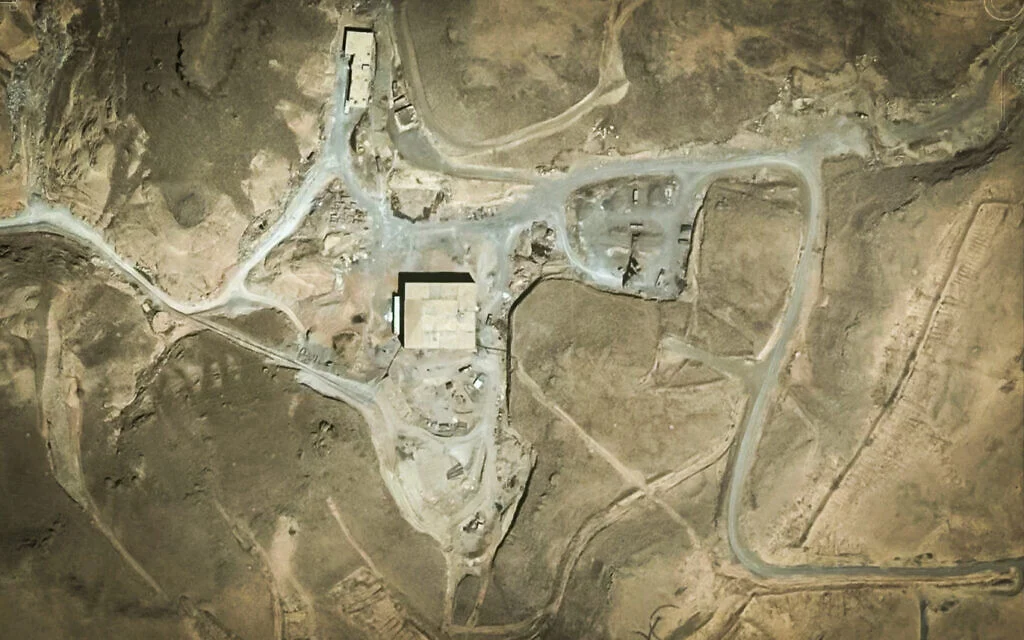
The International Atomic Energy Agency (IAEA) is set to begin removing nuclear material from secret Syrian facilities following an agreement between the US, Israel, and the Syrian government. The report, first published by Axios and cited by The Times of Israel, follows months of secret diplomacy and threats. A US official stated that Washington hopes the removal process will begin shortly and conclude before the end of the year. In 2007, Israel bombed the clandestine Al-Kibar reactor in Deir ez-Zor, which Israeli, US, and IAEA assessments concluded was part of a secret nuclear weapons programme. While Israel did not officially acknowledge the strike until 2018, it is widely viewed as the end of the Assad regime's nuclear ambitions. Axios reports that research, development, and storage sites remained after the reactor's destruction, including a facility known as 'Site 99', which held residual nuclear material. This material includes yellowcake, a uranium ore concentrate that can be used in 'dirty bombs' or, if further enriched, in nuclear weapons. Following the collapse of the Assad regime in late 2024 and the rise of Islamist rebel forces, Israel bombed the entrance to the Al-Kibar site. Israel and the US spent over a year coordinating on the status of Site 99. In June 2025, IAEA Director General Rafael Grossi announced that Syria had agreed to grant inspectors access to former and suspected nuclear sites. Israel had warned that it would target the facilities if the materials were not removed or if the new Syrian government attempted to access them. A US official noted that this threat did not reach the point of imminent execution. Several weeks ago, Israel detected activity at the site, raising concerns that the Syrian government was attempting to access the materials, potentially with assistance from Turkey. The Trump administration subsequently engaged the IAEA, which reached an agreement with the Syrian government three weeks ago. The White House, the IAEA, and the Israeli Prime Minister's Office have declined to comment on the report. Reuters contributed to this reporting.