

Russia’s shadow war puts Europe on edge as Germany pushes for Baltic rapid-response task force
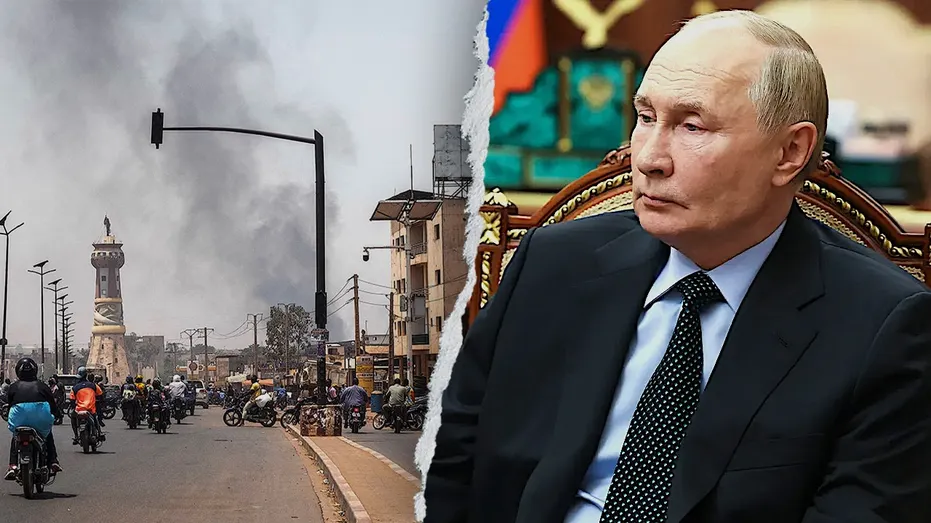
The German government is pushing European partners to establish a rapid-response task force in the Baltic Sea region as Berlin confronts what it describes as an escalating campaign of Russian hybrid warfare. The initiative, proposed by German Interior Minister Alexander Dobrindt, aims to facilitate rapid information exchange and coordinated responses to threats including drone attacks, sabotage, cyberattacks, and disinformation. The proposal gained urgency after Germany formally accused Russia of responsibility for an attempted explosives-laden drone attack at Leipzig/Halle Airport on August 4. German officials stated that police findings and intelligence methods used in the attack were consistent with previous Russian operations in the war against Ukraine. In response, Germany announced the closure of Russia's consulate general in Bonn and tightened entry controls for Russian nationals. Moscow has denied responsibility, labeling the accusations as "entirely fabricated" and accusing Berlin of escalating tensions. Separately, German authorities are investigating a series of suspicious sabotage incidents targeting the country's electricity infrastructure, though officials have not yet publicly linked these specific events to Russia.