

The economy of fear: How Hezbollah maintains control over Lebanon’s Shiite community
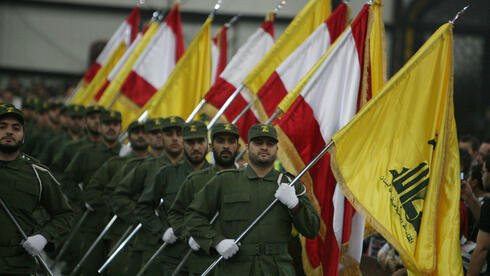
According to an analysis published by Ynet, Hezbollah’s power within Lebanon’s Shiite community relies not only on the direct use of force but on an 'economy of fear.' In this system, critics face a hierarchy of consequences, ranging from public smear campaigns and economic pressure to threats against relatives, surveillance, and, in extreme cases, physical violence. This environment encourages self-censorship, as individuals weigh the potential costs of speaking out. The report notes that Hezbollah uses labeling, such as the term 'Shiites of the embassy,' to frame dissent as disloyalty to the Shiite community or Lebanon itself. This strategy is designed not only to silence existing voices but to prevent the emergence of any competing political or religious centers of authority. The 2021 murder of Lokman Slim is cited as an example of the high price paid by those attempting to create an independent sphere outside the control of Hezbollah and the Amal Movement. Dr. Noa Riven, a researcher specializing in Lebanon, emphasizes that Hezbollah’s deterrence is measured by its ability to turn the act of speaking out into a cost-benefit calculation for citizens.