

Iran and Oman near deal on Strait of Hormuz shipping lanes
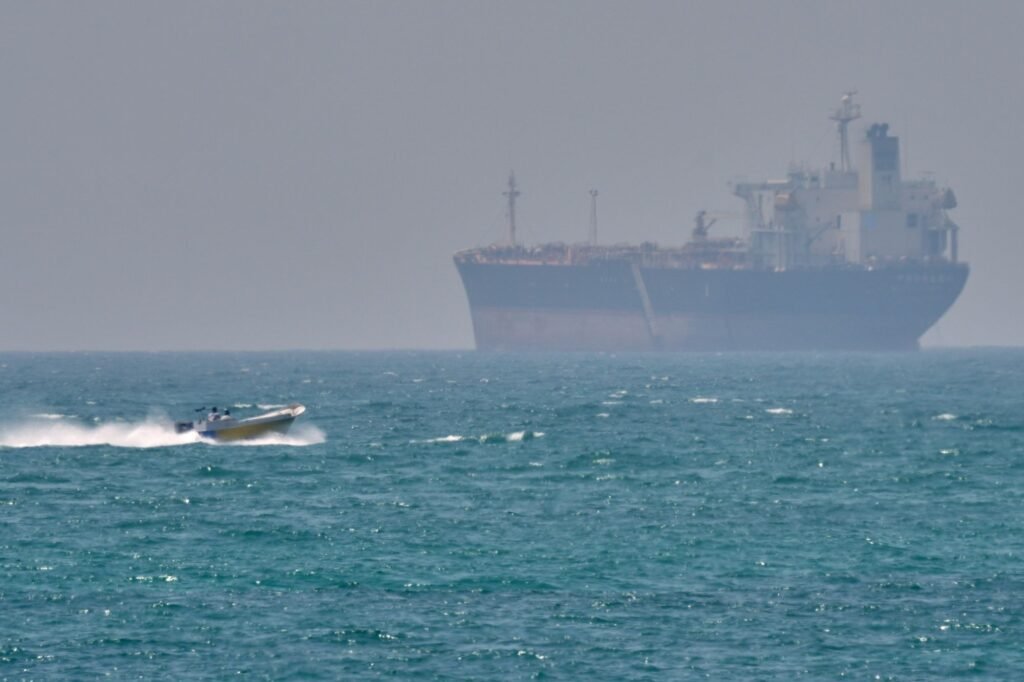
Iran and Oman are nearing an agreement to gradually resume commercial traffic through the Strait of Hormuz, according to a New York Times report citing Iranian and US officials. The strategic waterway has faced repeated disruptions in recent months due to escalating tensions and exchanges between Iran and the United States. Under the proposed framework, vessels entering the Persian Gulf would use a corridor near the Iranian coast, while outbound ships would follow a separate route along Omani territorial waters. Iranian officials told the New York Times that ships would not pay tolls, but would be charged a 'service fee' to cover maritime security, environmental protection, and monitoring operations. The report states that revenue from these fees would be split equally between Iran and Oman. However, a US official disputed this account, stating that the negotiated temporary corridors would neither require Iranian permission nor involve payments to Tehran. The plan has raised concerns within the Pentagon, with critics arguing that such an agreement could effectively recognise Iranian authority over an international waterway. US officials also warned that sea mines remaining in parts of the strait might force commercial vessels to coordinate their movements with Iranian authorities. The New York Times reported that US Central Command (CENTCOM) continues to escort commercial vessels in the region, even as the threat of Iranian missile attacks persists. The newspaper also reported that President Donald Trump has twice declined to authorise military strikes on Iranian targets prepared by CENTCOM and its commander, General Brad Cooper, in recent weeks. According to the report, Trump has prioritised the rapid reopening of the Strait of Hormuz, even if it results in an arrangement that grants Iran limited influence over maritime traffic in the vital waterway.