
Iran says Saudi defence pact fails to guarantee security as Hormuz attacks continue
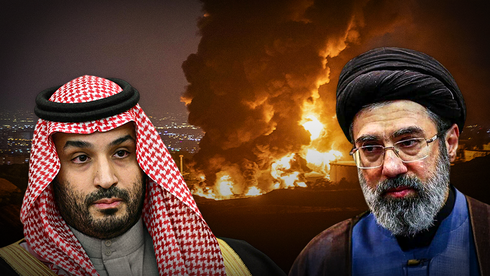
Iran has warned Saudi Arabia that its defence pact with Turkey and Pakistan is insufficient to guarantee Riyadh's security, amid ongoing attacks on commercial shipping in the Strait of Hormuz and heightened tensions in the Gulf. According to CNN, Tehran delivered this warning to Riyadh amid an exchange of strikes between Saudi Arabia and the Iran-backed Houthis in Yemen. A senior Houthi official stated that the group does not wait for orders from Tehran to escalate attacks against Saudi Arabia, asserting that the command to strike the kingdom does not come from Iran. The Houthi official blamed the Saudi economic and air blockade of Houthi-controlled areas in Yemen for creating the world's worst man-made humanitarian crisis, saying this alone justified decisive Houthi action. He also claimed that this week's attacks on targets in Saudi Arabia were precautionary, alleging that Riyadh was preparing a ground offensive against rebel-held areas. The United Arab Emirates state news agency reported on Saturday that a vessel operated by the Abu Dhabi National Oil Company, ADNOC, was struck by a missile while transiting the Strait of Hormuz. The UAE Ministry of Foreign Affairs described the attack as a blatant violation of UN Security Council resolutions on freedom of navigation and opposition to attacks on commercial vessels or disruption of international shipping lanes. Abu Dhabi stated that targeting commercial ships and using the Strait of Hormuz as a tool for pressure or economic blackmail constitutes piracy by the Iranian Revolutionary Guard and poses a direct threat to regional stability and global energy security. The UAE urged Iran to halt attacks and hostile acts and to reopen the strait fully and unconditionally. Qatar, Saudi Arabia and Jordan also condemned the attack. In response, Iranian President Masoud Pezeshkian accused Washington of violating the agreement concerning the waterway, stating that the American side breached the clause relating to the Strait of Hormuz in the memorandum of understanding and that Iran responded proportionally. Iranian Foreign Minister Abbas Araghchi, as reported by the Mehr news agency, said negotiations with Oman regarding the management of the strait and the creation of a new shipping lane are nearing an agreement, but the reopening of the strait depends on other conditions. Araghchi stated that Iran's role in managing the Strait of Hormuz is non-negotiable and that a previous proposal to separate other traffic lanes is no longer acceptable to Tehran. He added that talks are continuing due to technical and legal complexities, and a temporary route will be designated for vessel transit until a new lane is established. Meanwhile, Pakistani Defence Minister Khawaja Muhammad Asif, following the signing of a mutual defence agreement with Saudi Arabia and Turkey, called Israel a shared threat to Islamic nations and urged a coordinated approach to counter it. These developments come as CNN reported that US Chairman of the Joint Chiefs of Staff, General Dan Cain, expressed concern in private discussions with senior members of US President Donald Trump's team regarding finding an exit strategy from the six-month war with Iran. Three sources told the network that Cain believes options to escalate operations could backfire and that relying solely on air power is unlikely to achieve Trump's stated goals, including dismantling Iran's nuclear programme and restoring freedom of navigation in the Strait of Hormuz to pre-war conditions as of 28 February. According to the report, Cain raised his concerns with officials including CIA Director John Ratcliffe, Secretary of State Marco Rubio, and Vice President JD Vance. One source said that when Trump threatened to resume intensive bombing in late July, Cain and several other administration officials were worried about the consequences of escalating the war. Trump ultimately called off the strikes, stating that Middle Eastern leaders had warned of potential Iranian retaliation against energy infrastructure; however, a senior US administration official said Trump has not ruled out future strikes.