
Iran chokes Hormuz. Egypt’s energy crisis could become Israel’s problem
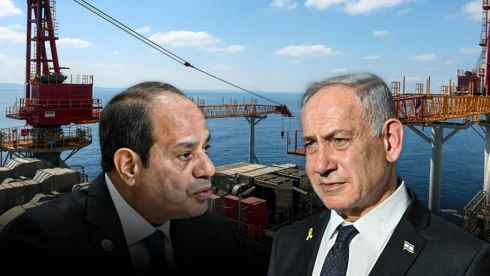
Writing in Ynet, analyst Amine Ayoub reports that Iran's security chief Mohsen Rezaei's announcement on Tehran's conditions for reopening the Strait of Hormuz has fueled severe uncertainty in global energy markets. The obstruction of this vital waterway, alongside maritime insecurity around Bab el-Mandeb threatening the Suez Canal, has placed intense economic pressure on Egypt. The International Energy Agency confirms that Egypt's energy-import bill has surged, draining foreign currency reserves as Cairo relies on emergency spot purchases to offset falling domestic production. To power its turbines, Cairo depends on domestic extraction alongside pipeline gas from Israel's Tamar and Leviathan fields, though analysts emphasize this represents strategic interdependence rather than unilateral leverage. Egypt's broader fiscal squeeze, including high external debt, inflation, and upcoming political transitions toward 2030, compounds its vulnerabilities. Israeli policymakers must view Egypt's economic resilience as an integral component of national defense, maintaining robust border coordination, safeguarding offshore energy platforms, and recognizing that regional stability serves both nations.