

Twenty-five years after 9/11: The evolving nature of security threats to the US
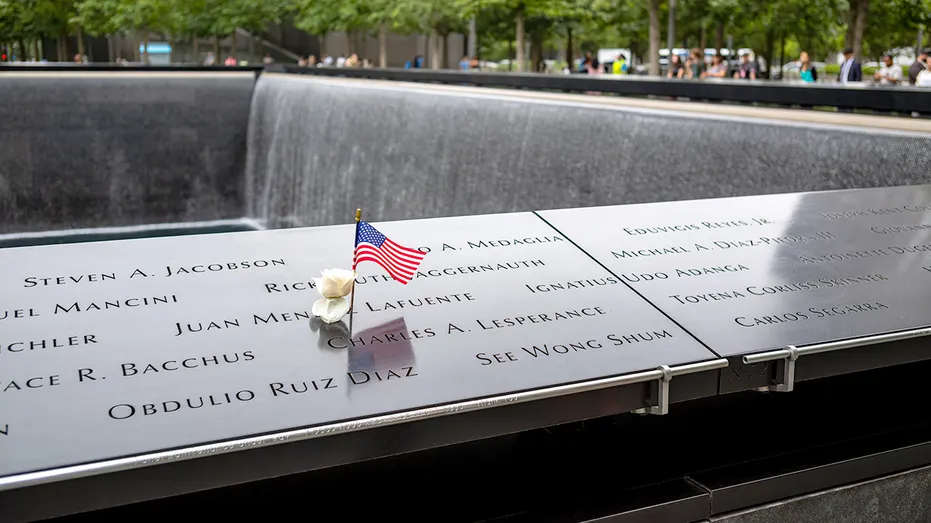
Javed Ali, a former counterterrorism official at the Department of Homeland Security and the FBI, argues that while America is safer from attacks on the scale of 9/11, today’s threats are far harder to detect. Following the 2001 attacks, the U.S. invested heavily in a massive security architecture, including the creation of the Department of Homeland Security and enhanced intelligence systems, which successfully degraded al Qaeda and ISIS networks. However, 2026 intelligence assessments indicate that terrorist groups have shifted their focus from complex plots to information operations and propaganda designed to inspire individuals within Western countries. Today, the primary security challenge is no longer organized foreign conspiracies, but 'lone actors' or small cells radicalized online who often leave no trace before striking. Meanwhile, critics argue that Washington spent the post-9/11 era building unwieldy bureaucracies while neglecting emerging threats such as cyberattacks and the infiltration of critical infrastructure by state adversaries.