

Analysis: Dispute over election pledge tests Democrats party and hostage families movement
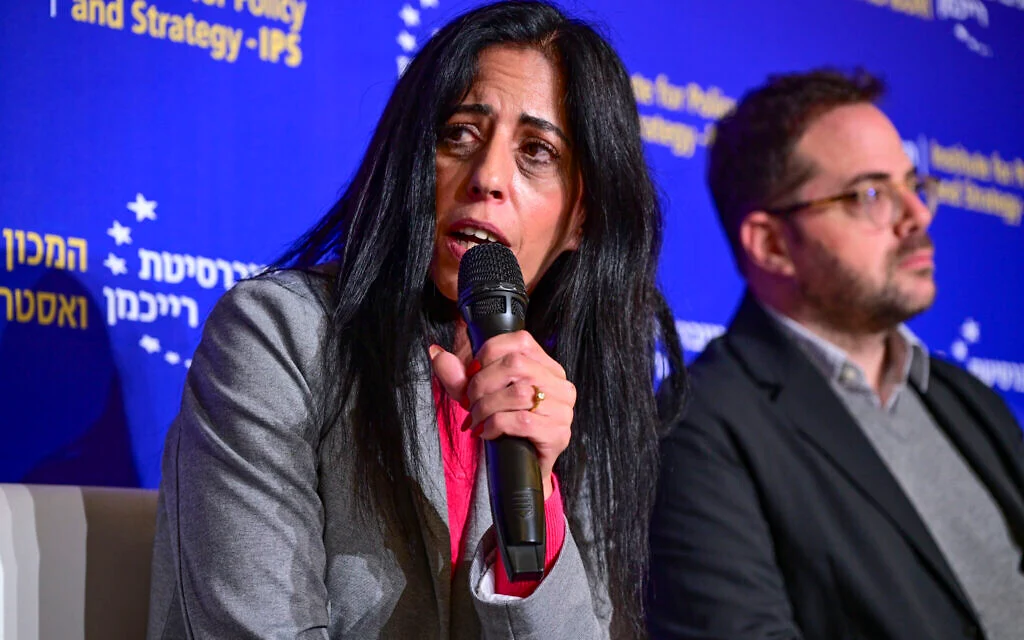
The Times of Israel reports that Einav Zangauker, mother of hostage Matan Zangauker and a prominent figure in the hostage release movement, has accused Democrats party leader Yair Golan of failing to honour a months-long promise to reserve a senior spot for her on the party's electoral list. Zangauker states that, based on this commitment, she refrained from running in the primaries or exploring other opportunities, and kept the agreement confidential at the party's request. According to Zangauker, Golan promised in February to allocate her a spot following the 20 July primary, a pledge she claims was echoed by party officials. However, after the vote, Golan opted not to use his authority to reserve a spot for a candidate of his choosing, leaving Zangauker off the list. Golan has expressed regret for Zangauker's disappointment but did not directly confirm the claim of a broken agreement. He stated that his decision was made out of respect for the party members' votes and the resulting list. He further claimed to have offered Zangauker a meaningful role within the party, though he did not provide specific details. The core of the dispute remains unresolved: Zangauker points to a specific commitment regarding an electoral position, while Golan frames his decision as a political choice and a broader offer of cooperation. The significance of this conflict lies in Zangauker's profile; since her son was abducted on 7 October 2023, she has become a leading voice for hostage families. Her exclusion may be interpreted by the public as a sign of a growing divide between the protest movement and professional party mechanisms, though this remains a political inference rather than a proven fact. Golan’s defence rests on the legitimacy of the primary process, noting that approximately 97,000 people voted. However, this argument may be insufficient without a clear explanation regarding the prior promise and the limits of the party leader's discretion. Political journalist Raviv Drucker of Channel 13 has criticised Golan’s response as a 'verbal trick,' arguing that the leader spoke as if he had merely changed his mind, whereas the original promise was for a guaranteed spot. While this is the journalist's assessment, it underscores the potential damage to party credibility caused by ambiguous political commitments. Zangauker has stated she will not be in the next Knesset but will continue her activism. While the party may have moved to exclude her from the ballot, her social and symbolic influence remains. The ultimate impact of this dispute will depend on how it is managed; transparency could limit the fallout, while continued ambiguity may fuel broader debates regarding trust and the role of hostage families in Israeli politics.