

Former CENTCOM Deputy Chief Warns Over Iran’s Missile and Nuclear Capabilities
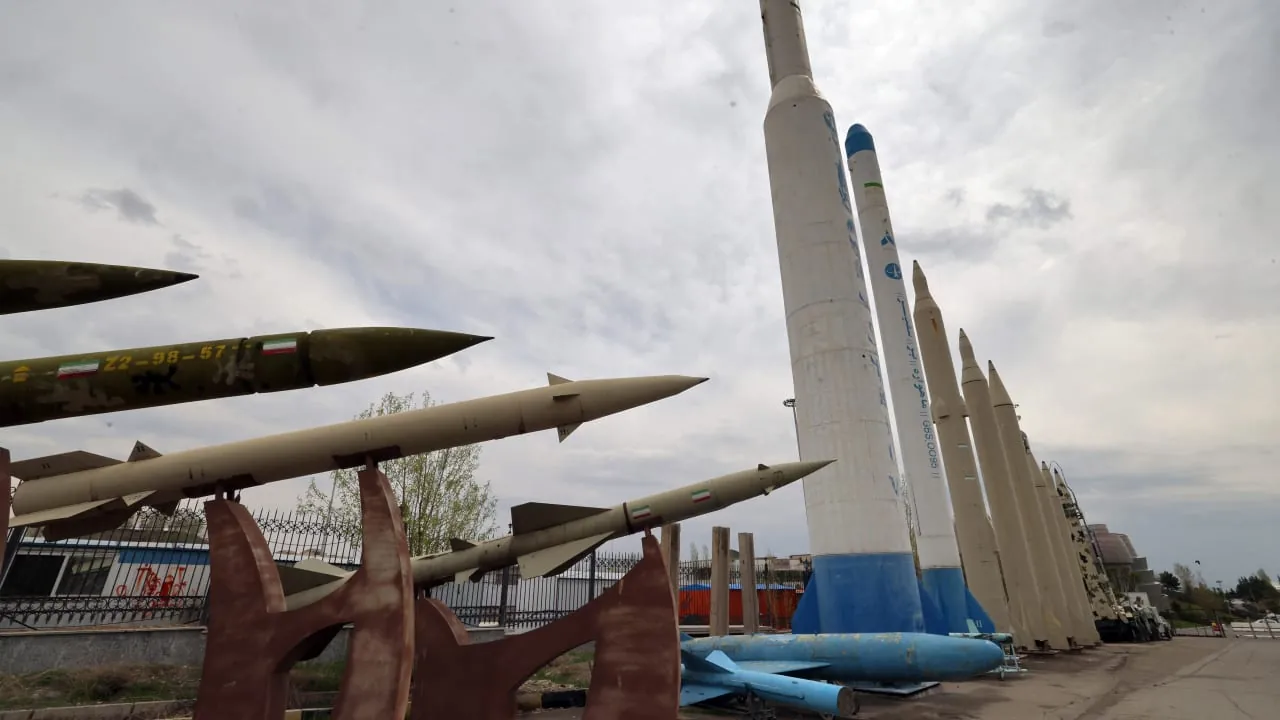
According to a report by the Jerusalem Post, a former deputy commander of United States Central Command (CENTCOM) has shared an assessment of the Islamic Republic of Iran's strategic standing. According to this former military official, failing to completely destroy Iran's missile and drone infrastructure is considered the greatest strategic failure in this area. This assessment was raised by a former high-ranking American military official and focuses on the continuity of Iran's asymmetric capabilities. From the perspective of the UKFarsi independent analysis desk, these remarks reflect the views of elements within Western military and security establishments who are concerned about the effectiveness of sanctions and deterrent pressures in containing the military programmes of the Islamic Republic. The report also cites the aforementioned source as alleging that any government in Iran that considers itself committed to the principles of the Islamic Revolution will always retain the necessary incentive to rebuild and strengthen its defensive and offensive forces. The UKFarsi analysis desk evaluates this proposition as a reflection of Western security institutions' distrust regarding any structural behavioural change by the Iranian leadership. In another part of these remarks, a warning was issued that if suitable conditions and opportunities arise, Tehran will resume its efforts to acquire atomic weapons. This allegation is made while official authorities of the Islamic Republic have consistently stated that their nuclear programme is peaceful in nature. For audiences and observers of developments in Iran, such analyses and warnings are significant because they directly impact security, diplomatic and economic calculations. The persistence of this outlook within the corridors of Western power indicates that the shadow of security threats and sanctions related to missile and nuclear programmes will continue to hang over Iran's economy and diplomacy, presenting serious obstacles to the prospects of de-escalation and sanctions relief.