

Analysis: Tehran’s Retaliatory Move to Designate Argentine Military Forces as Terrorist
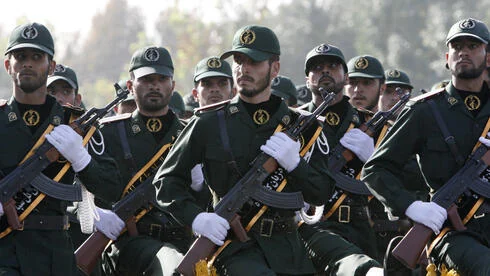
According to a report published by the media outlet Ynet, the Iranian Ministry of Foreign Affairs announced on Wednesday in a retaliatory move that it had placed the Argentine navy and air force on its terrorist organisation list. Ynet's report states that Tehran's decision was taken in direct response to the Argentine government's action in April, in which Buenos Aires designated the Islamic Revolutionary Guard Corps as a terrorist organisation. The Argentine government stated its motivation for that action was the IRGC's support for Lebanon's Hezbollah and the accusation that the body played a role in the 1994 deadly bombing of the AMIA Jewish community centre in Buenos Aires; an explosion that, according to reports, resulted in the deaths of 85 people. The Iranian Ministry of Foreign Affairs, while announcing this reciprocal decision in its statement, emphasised that responsibility for all consequences arising from this situation will rest with the Argentine government. In response, the Argentine Ministry of Foreign Affairs issued an official statement firmly rejecting Tehran's latest move. From an independent analytical and evaluative perspective, this event indicates the continuation of long-standing diplomatic and security tensions between Iran and Argentina, which are rooted in judicial cases from past decades. From a diplomatic and strategic viewpoint, this symbolic action by Tehran highlights the tit-for-tat approach in the foreign policy of the Islamic Republic, although from an operational standpoint it has no tangible impact on the limited military relations between the two countries. For Iran, these developments highlight the challenges of continuous tension with Latin American countries, which are influenced by international pressures and judicial cases related to national security and terrorism. This situation also shows that the dimensions of the AMIA case continue to act as an active variable in Iran's foreign relations with Western countries and their allies, preventing the normalization of diplomatic relations in this geographical area.