
Analysis: Russia uses elections in occupied Ukraine to cement control
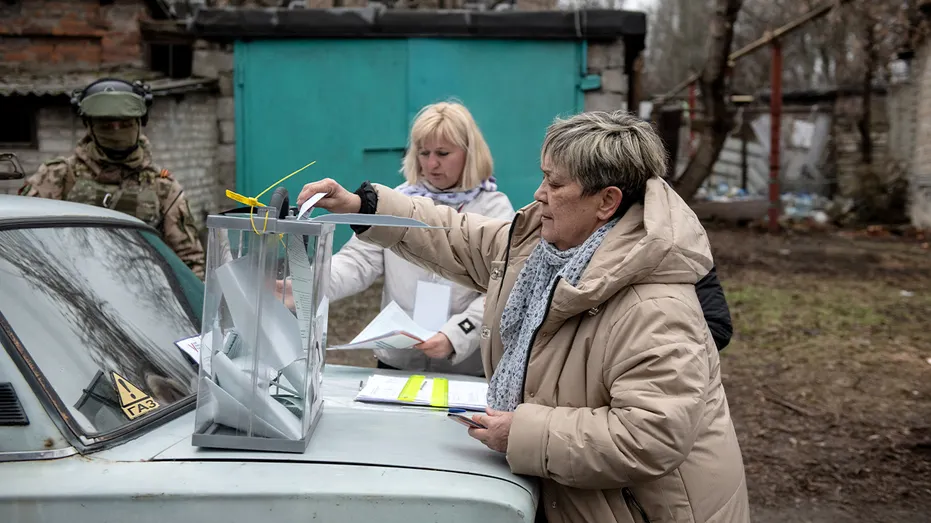
According to a Fox News report, Russia has extended its parliamentary elections to the occupied regions of Donetsk, Luhansk, Kherson, and Zaporizhzhia for the first time since the 2022 invasion. The Organisation for Security and Co-operation in Europe (OSCE) was not invited to monitor the process, leading critics to label the move a clear violation of international obligations and democratic standards. Analysts argue that rather than a competitive process, the elections serve as a political manoeuvre to project public support for Kremlin policies within war zones. Within Russia, the exclusion of the Yabloko opposition party and the suppression of anti-war figures highlight a shrinking political space and the consolidation of legislative bodies. Field reports describe armed soldiers accompanying mobile ballot boxes in occupied areas, a climate experts have described as a 'regime of terror'. This approach indicates that Moscow is using administrative and military tools to solidify its sovereignty over seized territories. For Iran, these developments are significant as they illustrate how major powers navigate territorial crises and utilise electoral mechanisms to legitimise geopolitical shifts. While Russia attempts to impose its narrative of the war on both domestic and international audiences, the continuation of this trend may complicate future peace negotiations. International analysts maintain that these elections are designed not to select representatives, but to cement President Putin's narrative of the war. As Ivana Stradner noted, voters may have the right to cast a ballot, but they have no say in the outcome. This approach may serve as a model for other regional tensions, where ballot boxes are repurposed from tools of democracy into instruments for formalising military status quos.