
Analysis: Iran’s New Military Appointments – War Readiness or Negotiating Tactic?
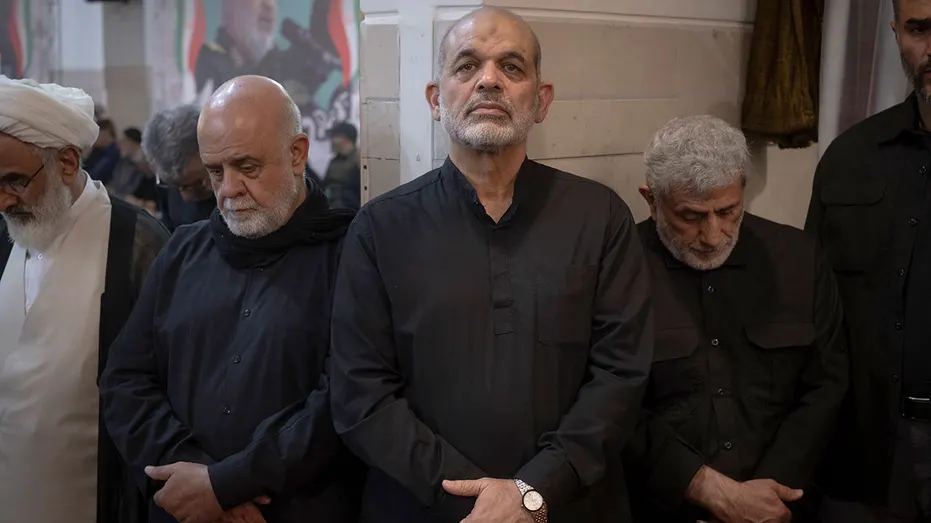
Fox News reports that the office of the Supreme Leader’s son, Mojtaba Khamenei, has appointed six senior military commanders. Ahmad Vahidi has been named commander of the IRGC, Ali Abdollahi as Chief of Staff of the Armed Forces, and Kioumars Heydari as his deputy. Additionally, Mostafa Izadi, Ali Amai, and Hossein Taeb have been assigned to senior roles within the IRGC, the IRGC Navy, and the Basij, respectively. These appointments follow the deaths of several senior Iranian officials in US and Israeli strikes. However, the report relies on unverified operational details regarding these strikes, and UKFarsi cannot independently confirm these claims beyond the source text. The primary significance of these appointments is the reconstruction of the command chain. According to the report, Ahmad Vahidi’s mandate emphasises maintaining readiness for 'powerful offensive operations against the enemy,' while Ali Abdollahi has been tasked with integrating the General Staff of the Armed Forces into the Khatam al-Anbiya Central Headquarters. Analytically, this suggests Tehran is formalising wartime command structures in the short term, though this does not necessarily signal a definitive commitment to continued war. Governments often consolidate defensive structures to strengthen their negotiating position while under military pressure. Lorenzo Vidino, director of the Program on Extremism at George Washington University, told Fox News that the timing of these announcements is deliberate, suggesting Iran aims to establish its command structure as a 'field reality' ahead of any potential agreement. This remains an expert assessment rather than a proven fact regarding Iranian intent. Simultaneously, the report notes that Iranian and Omani negotiators are discussing proposed shipping routes through the Strait of Hormuz, suggesting Tehran is pursuing parallel military and diplomatic tracks. The backgrounds of some appointees are significant for Iran’s foreign relations. Fox News notes that Ahmad Vahidi is subject to an Interpol Red Notice at the request of Argentina regarding the 1994 AMIA bombing, while Hossein Taeb and Kioumars Heydari are under US and EU sanctions. These appointments may provide further grounds for Western legal and sanctions pressure, though it is important to distinguish between allegations, sanctions, and judicial convictions. Domestically, these appointments may be an attempt to project authority following strikes on senior military and security echelons. The report notes ongoing questions regarding the health and public absence of Mojtaba Khamenei, despite President Masoud Pezeshkian reporting a seven-hour meeting with him. Furthermore, the IRGC Intelligence Organisation and its counter-intelligence wing remain without publicly announced commanders, and Iran lacks permanent Ministers of Defence or Intelligence. These gaps suggest that military restructuring has not yet been matched by a full restoration of intelligence infrastructure or accountability for security failures. For Iran, the core issue is whether this new structure will improve coordination between the armed forces, intelligence services, and the government, or merely entrench fragmented decision-making. Fox News does not provide sufficient evidence to definitively answer this. What is clear is that Tehran is rapidly reconfiguring its command structure while facing military pressure, sanctions, and negotiations over the Strait of Hormuz; the ultimate significance of these moves will depend on future developments on the ground and at the negotiating table.