

Analysis: Political Split and Shock in the 2026 US Midterm Elections
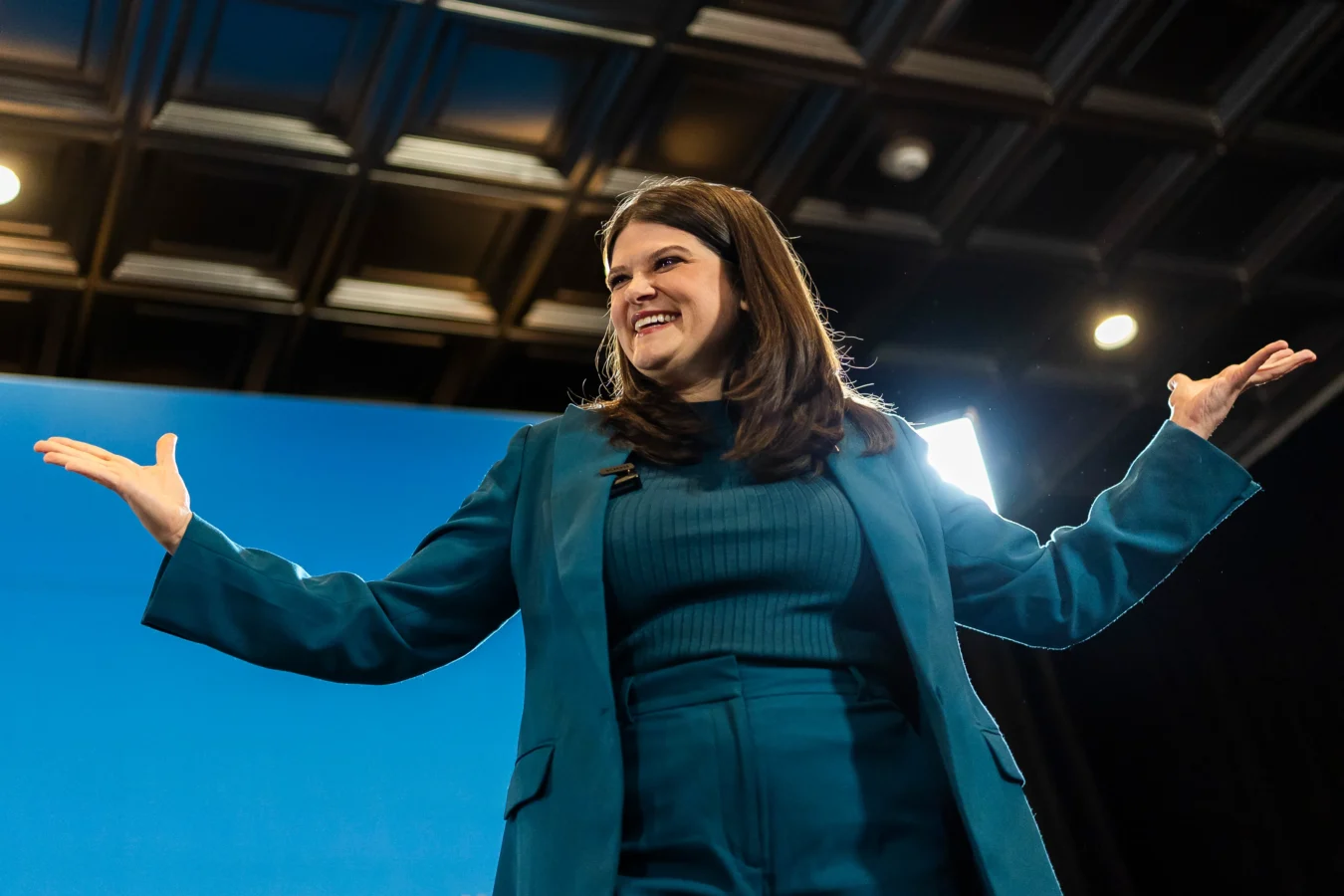
According to the news outlet Deadline, ahead of the conclusion of the 2026 US midterm election races and as Donald Trump brought his campaign to a climax with televised rallies and a speech at the Lincoln Memorial, political developments in the state of Michigan have drawn the attention of analysts. The central point of this report is the unusual decision by Democratic Representative Haley Stevens who, after failing in the primary elections, chose to support Republican candidate Mike Rogers instead of backing Abdul El-Sayed, the official Democratic party nominee. This event has had widespread repercussions in American political circles and challenged traditional party equations. From an analytical perspective, the UKFarsi independent review desk believes that such splits within the structure of the Democratic party reflect the fragility of internal coalitions and divisions among its various factions following defeat in the primaries. While the source media merely reported this stance, international affairs analysts view such events as a sign of shifting preferences among traditional political figures in response to structural changes within parties. For Iranian audiences and observers of international affairs, monitoring these developments is important because they affect the stability and cohesion of US political factions on the eve of major foreign policy decisions, including files related to the Middle East and Iran. Internal incoherence in the main US parties can lead to fluctuations in Washington's diplomatic and economic approaches, which directly impacts the surrounding environment of regional security and the macroeconomy.