

Analysis: Tehran’s Security Old Guard Returns to Power; Continuity of the Old Order
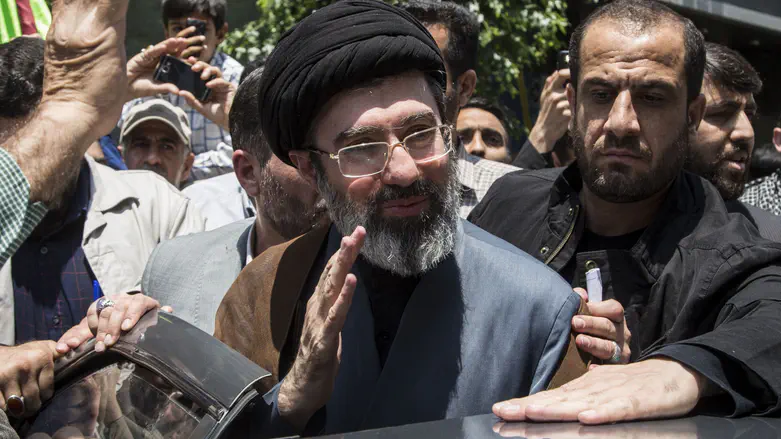
Erfan Fard, a Middle East studies researcher, argues in an analysis regarding recent shifts in the Islamic Republic's power structure that new high-level military and security appointments signify an attempt to fortify the status quo rather than implement reform. According to Fard, despite speculation regarding leadership succession, the figures selected for key positions belong to the first generation of revolutionaries and veterans of security and intelligence apparatuses whose backgrounds are tied to domestic suppression and regional confrontation. The analysis notes that the appointment of individuals such as Ahmad Vahidi to command the IRGC and the return of Hossein Taeb to lead the Basij sends a clear message about the regime's security-oriented approach toward Iranian society. Citing the records of these individuals, including international allegations against Vahidi and human rights sanctions against Taeb, the author argues that in the face of external pressure and domestic discontent, the regime has moved toward strengthening its tools of repression rather than political liberalization. The report states that the boundary between defending the country and protecting the regime's survival has blurred for these commanders, who increasingly view society as a security threat. Ultimately, the analysis emphasizes that for international observers, the changing of faces in Tehran should not be mistaken for a change in the nature of the regime, as the power structure remains anchored in the same ideology and security institutions.