
Analysis: The Strait of Hormuz Standoff and the High-Stakes Game Between Washington and Tehran
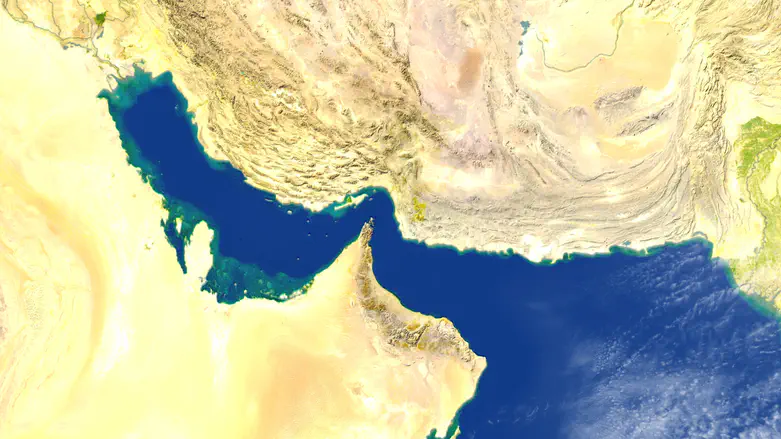
Amine Ayoub, a policy analyst at the Middle East Forum, writes in Arutz Sheva that the deployment of three U.S. aircraft carrier strike groups and ten thousand troops to the Persian Gulf is as much governed by Washington’s electoral calendar as by naval doctrine. According to the analysis, the White House’s rejection of Tehran’s proposal to open the Strait of Hormuz in exchange for immediate sanctions relief reflects a strategy to maintain maximum economic pressure while deferring high-risk kinetic operations until after the U.S. midterm elections. The report suggests that the regime ruling Iran is acutely aware of this political clock and is maneuvering for leverage. The author notes that this prolonged standoff imposes severe costs, including skyrocketing insurance premiums for commercial shipping and the depletion of high-end Western missile inventories used to neutralize low-cost drones. The analysis argues that the regime ruling Iran is structurally vulnerable due to severe currency devaluation, regional conflict, and domestic unrest, characterizing its insistence on blockade relief as a sign of desperation rather than strength. Furthermore, the report highlights that Gulf monarchies, while desiring an end to maritime intimidation, are limited by their own vulnerability and refuse to serve as visible launchpads for offensive strikes. The author concludes that deterrence in this environment requires moving beyond symbolic naval movements toward precise operational and intelligence integration with U.S. Central Command.