

Analysis: Delivery of ‘Drakon’ submarine and its implications for Israeli deterrence against Iran
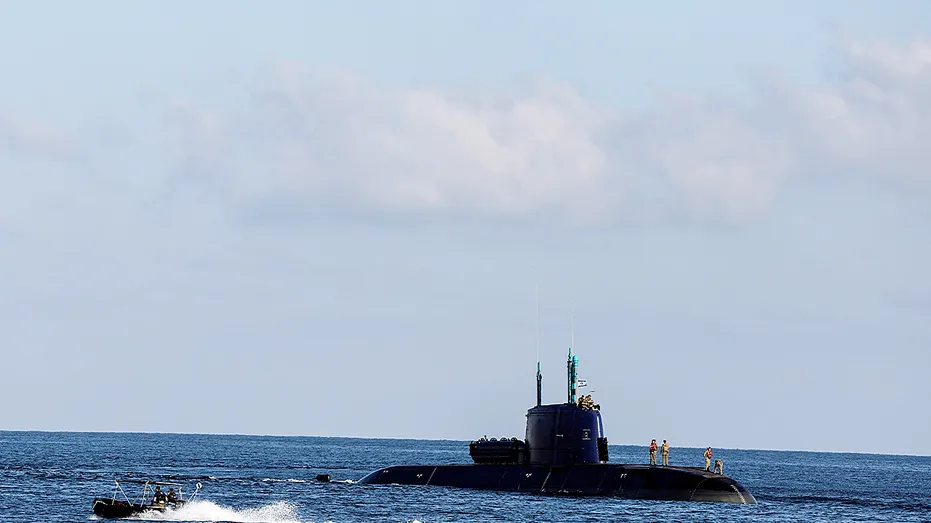
According to Fox News, Israel has received the 'Drakon' submarine from the German company ThyssenKrupp Marine Systems. Valued at approximately $634 million, it is the sixth Dolphin-class submarine and the third upgraded Dolphin-II model in the Israeli fleet. Built at the company's shipyard in Kiel, Germany, the delivery was originally scheduled for 2025. Reports indicate the Drakon measures over 70 metres in length with a displacement of more than 2,000 tonnes, described as one of the largest submarines built in Germany since the Second World War. However, precise information regarding its systems, weaponry, and operational range has not been publicly disclosed. Claims that it is Israel's 'most advanced' submarine should be understood within the context of Israeli sources and media, rather than as an independent or fully verifiable assessment. The primary significance of this delivery lies in Israel's maritime deterrence strategy. Ehud Eilam, an Israeli national security expert interviewed by Fox News, suggests that Israel requires a 24/7 submarine presence at sea to maintain a retaliatory capability should its domestic facilities or forces be compromised. This perspective represents an expert opinion rather than confirmation of current operational deployment. Eilam further suggested that, beyond intelligence and reconnaissance missions in the Mediterranean, Israeli submarines are intended for extreme scenarios, including potential retaliation should Iran acquire nuclear weapons. The Fox News report does not provide official operational details or policy declarations; therefore, no definitive conclusions can be drawn regarding the vessel's specific weaponry, current missions, or the presence of nuclear armaments. From an Iranian perspective, an increase in Israel's long-range naval assets could signify an expansion of potential options for maritime operations and the maintenance of a second-strike capability. Eilam interprets the larger size of the Drakon as a potential indicator of efforts to increase operational flexibility and possibly missile range, though this remains his inference and the report provides no independent technical specifications to confirm it. Consequently, this should not be treated as definitive news regarding the submarine's weapon capabilities. The delivery also highlights the ongoing defence cooperation between Germany and Israel. Oliver Burkhard, CEO of ThyssenKrupp Marine Systems, told Ynet that Israel's new submarine programme is proceeding on schedule. This partnership allows Israel to gradually modernise its fleet and signals a long-term investment in sub-surface capabilities—a domain that, due to its covert nature, can influence security calculations even in the absence of declared operations. Ultimately, the arrival of the Drakon does not in itself signify an immediate shift in the military balance or the commencement of new operations against Iran. Its importance lies in enhancing Israel's flexibility, maritime continuity, and deterrent options. A more precise assessment would require credible information regarding the vessel's propulsion systems, weaponry, communications, and mission profiles—details which remain unavailable in the source report.