

Analysis: Intensifying security climate in Iranian universities and its impact on the elite
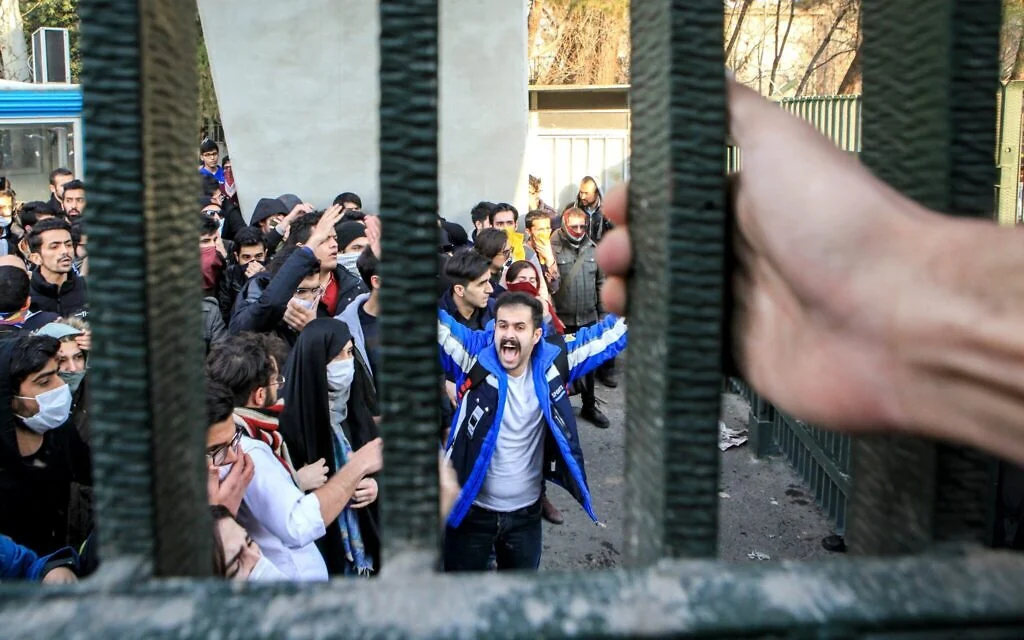
According to a report by The Times of Israel, protesting students in Iran are being pressured through summons to disciplinary committees to force them to retract their political stances. The report indicates that responsible institutions are using tools such as threats of suspension, expulsion, and forced confessions to silence dissent within academic environments. This approach reflects a prioritisation of political security over academic freedom within the country's educational structure. UKFarsi analysts suggest these actions demonstrate that universities remain a primary concern for security institutions. The use of disciplinary committees as an executive arm for suppression not only limits the space for criticism but also creates a deeper rift between the student body and university management. This trend may lead to the exodus of elites and a decline in the motivation for scientific and civil activities among the younger generation. For Iran, the continuation of these policies signifies the loss of human capital that could have contributed to the country's development. Diplomatically, these pressures have negatively impacted Iran's international image regarding human rights and civil liberties, posing serious challenges to scientific engagement with international institutions. Ultimately, relying on coercive measures to manage universities is a short-term solution that does not eliminate the roots of discontent, but merely pushes them into the deeper layers of society.