

Analysis: Iran shifts to more aggressive posture under US blockade pressure
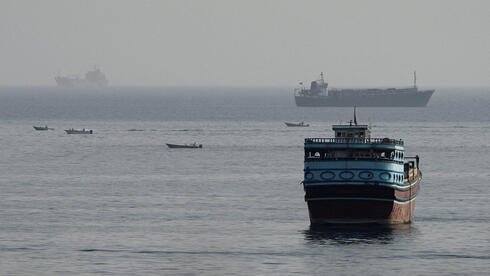
Dr. Raz Zimmt, a researcher at the Institute for National Security Studies, writes in an analysis for Ynet that despite the deterioration of Iran's economic indicators, there is no evidence that the Iranian leadership intends to soften its positions. Citing data from economist Masoud Nili, Zimmt notes that the exchange rate has jumped nearly 50-fold between 2018 and 2026, with official inflation exceeding 70%. Instead of seeking relief, Tehran is now demanding the implementation of commitments under the June 2026 memorandum of understanding—including the unfreezing of assets and sanctions relief—as a precondition for opening the Strait of Hormuz. Furthermore, Iran is demanding ceasefires in Lebanon and the Palestinian arena. Recent security appointments, such as naming Hossein Taeb as commander of the Basij, and the restructuring of military commands, signal a shift toward a more offensive military doctrine and preparations for a prolonged confrontation. According to Zimmt, Tehran is determined to entrench its control over the Strait of Hormuz and ensure that any future end to the campaign recognizes Iran's deterrent capabilities.