

Analysis: Israel shifts operational approach in Lebanon
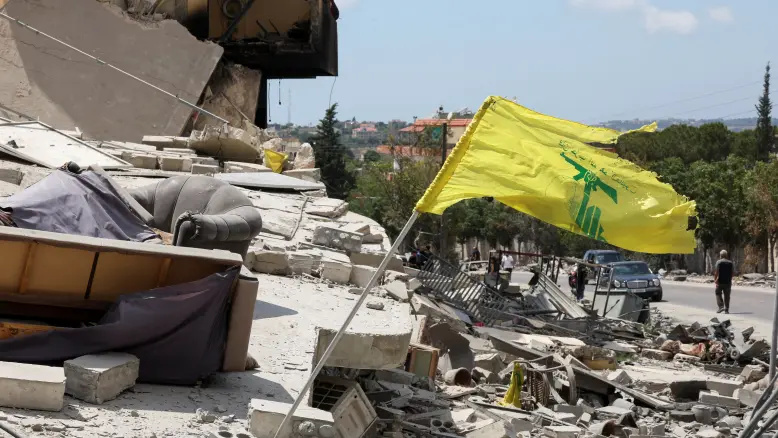
The Israeli newspaper Maariv reports that the Israel Defense Forces (IDF) have broken their operational silence after weeks of restraint by targeting two Hezbollah members in Lebanon. The report emphasises that this action is not an isolated incident but represents a shift in Israel's executive policy for countering peripheral threats. UKFarsi analysts suggest this development marks Israel's departure from a passive stance, signalling a return to an offensive policy aimed at preventing the consolidation of Iranian proxy forces along its northern border. This move indicates that Tel Aviv is no longer willing to accept the previous rules of engagement. The significance of this event lies in Israel directly challenging the 'unity of fronts' strategy, which Tehran designed to exert simultaneous pressure on Israel through aligned groups. By targeting key Hezbollah operatives, Israel is sending a message to Tehran that the costs of coordinating across different fronts have increased and that continuing this policy could lead to more direct and widespread conflict. For Iran, this shift complicates regional security calculations. If Israel continues this offensive trend, Tehran will face the challenge of maintaining deterrence without entering an all-out war. Our analysts believe these developments indicate that diplomacy has been sidelined by military tensions, with regional security becoming increasingly dependent on field operations. Ultimately, this Israeli action may be viewed as a turning point in regional crisis management, where the boundaries of restraint have been significantly altered. The continuation of this situation could have profound economic and security consequences for all actors within the 'Axis of Resistance' and further limit Tehran's diplomatic room for manoeuvre against international pressure.