

Analysis: Potential Iran-Oman Strait of Hormuz deal is a tough test between security and sovereignty
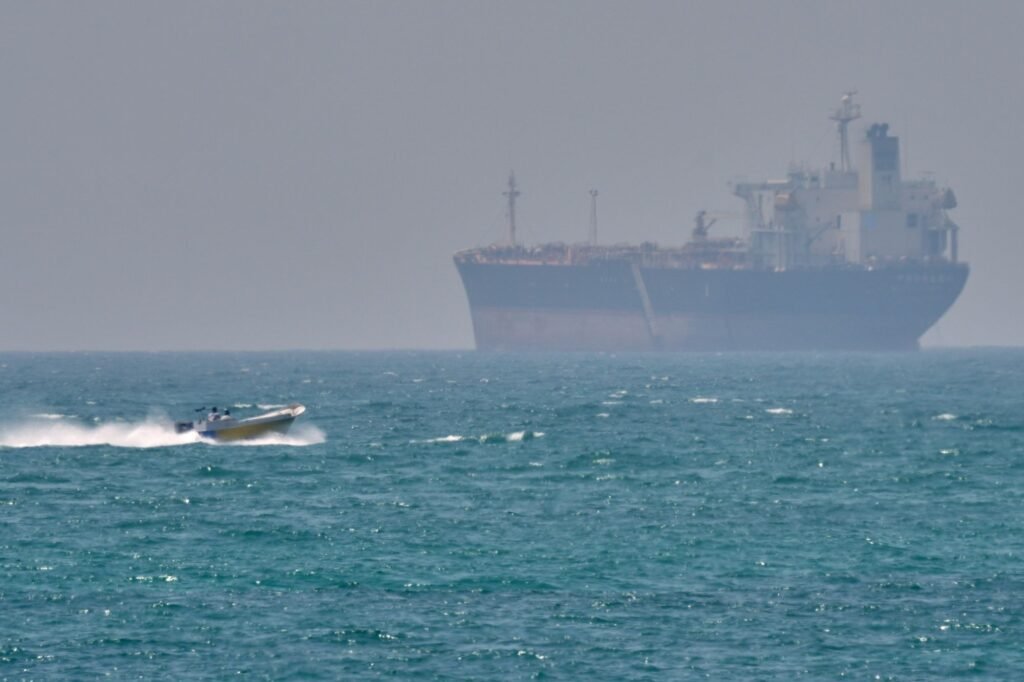
A report published by i24NEWS, citing The New York Times, states that Iran and Oman are nearing an agreement to gradually reopen trade routes in the Strait of Hormuz. According to the proposed framework, vessels entering the Persian Gulf would pass through a corridor near the Iranian coast, while outbound ships would use a route along Omani territorial waters. The significance of this plan lies in its attempt to establish a minimum level of commercial traffic without waiting for all political and security disputes to be resolved. However, the accounts of the involved parties regarding the nature of the agreement are not identical. Iranian officials told The New York Times that no tolls would be collected from ships, but service fees for maritime security, environmental protection, and route monitoring would be established, with the revenue divided equally between Iran and Oman. A US official rejected this claim, stating that the temporary corridors neither require Iranian authorization nor entail any payments to Tehran. Therefore, this report cannot yet be considered a final agreement or an official acceptance of Iran's role in managing the waterway. Opposition voiced within the Pentagon also indicates that the issue is not purely technical. American critics are concerned that any coordination mechanism with Iran could in practice be interpreted as recognizing Tehran's authority over an international waterway. At the same time, the report mentions the presence of sea mines in parts of the strait and the likelihood that commercial vessels would need to coordinate with Iranian authorities—a claim for which the published text provides no independent details regarding its origin or scope, and which must be assessed with caution. From the perspective of regional security, the Strait of Hormuz is not a point where disruption affects only Iran and Oman. Any reduction in commercial traffic increases insurance and shipping costs and impacts market confidence in the security of maritime routes. Conversely, a gradual reopening—even in a temporary and limited format—could reduce immediate pressure on maritime trade, although full stability cannot be claimed as long as the threat of missile attacks and disputes over route security responsibility remain. The report also states that US CENTCOM continues to escort commercial vessels and that the threat of Iranian missile attacks persists. This coexistence highlights the fragility of any potential agreement: shipping routes may open operationally, but mutual trust has yet to be formed in an environment where US forces are protecting ships and the Pentagon harbors doubts about the legal and political consequences of the plan. The New York Times also reported that US President Donald Trump has twice in recent weeks refrained from authorizing strikes against targets in Iran that CENTCOM and General Brad Cooper had prepared. The source text attributes this decision to the priority of swiftly reopening the Strait of Hormuz, but provides no further information on Washington's full calculations or the certainty of this report. Consequently, limited diplomacy surrounding shipping currently runs alongside military deterrence rather than serving as a replacement for it. For Iran, any mechanism that more sustainably restores ship traffic could alleviate the economic pressure caused by disruptions in maritime trade; however, if Tehran's role is limited merely to operational coordination, claims of exercising authority over the waterway will face limitations. For Oman, mediation in such a file holds diplomatic importance, but its success depends on clarifying security responsibilities, the monitoring mechanism, and the legal status of the corridors. Until an official text is published and jointly confirmed by the parties, this development should be considered a framework under negotiation rather than a fixed agreement.