

Analysis: US Strategic Military Aircraft Redeployed From Britain Amid Iran-Linked Threats
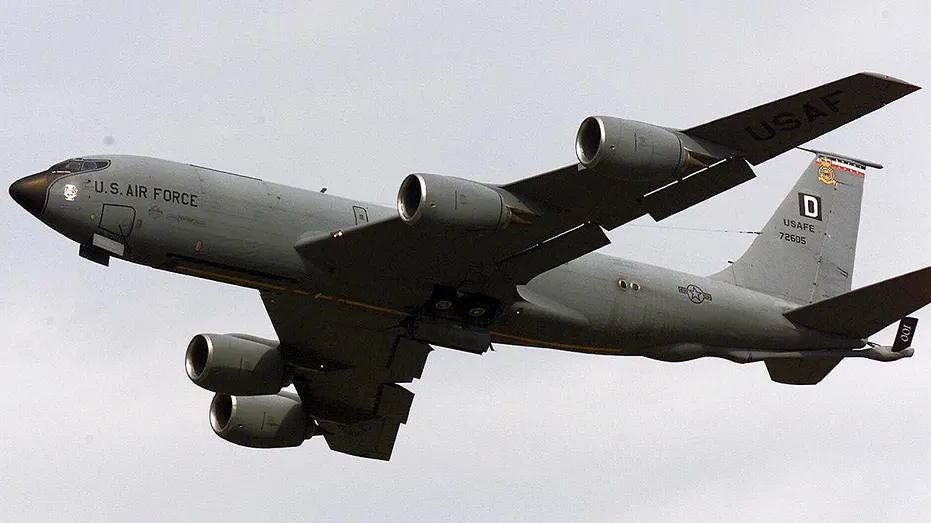
According to a report by Fox News, the United States Air Force has removed 13 of its military aircraft from the RAF Mildenhall base in eastern England. US officials attributed the move to a threat assessment related to Iran and elevated the base's security alert level to 'Charlie', which is the second-highest level of military alert. Flight tracking data indicates that this fleet included nine KC-135 refuelling aircraft and three CV-22B aircraft, which were transferred to other bases in Britain, Scotland, Germany and Spain. The report also notes that this is the second major relocation of US aircraft on British soil over the past two months. On the other hand, US Secretary of State Marco Rubio stated in response to these developments that troop movements routinely take place for various reasons, while a spokesperson for the British Prime Minister's office emphasised the security of the country's air bases and the continuation of intelligence sharing between London and Washington. From the perspective of UKFarsi analysts, the reliance of US officials on threats attributed to Iran to justify the change in military posture demonstrates the high intelligence sensitivity and operational caution of the US military command regarding Middle East developments. Although the US State Department official's remarks attempt to frame this action as standard military procedure, raising the alert level to Charlie and scattering refuelling and special transport aircraft to several different European countries indicates serious readiness against potential destabilisation scenarios. This event is significant from the perspective of regional security and diplomacy because it demonstrates how bilateral tensions between Iran and Washington can rapidly impact force deployment at extra-regional bases and among European allies. The continuation of such threat assessments could also influence the security calculations of European actors and bring defence cooperation between London and Washington into a new phase of intelligence coordination. For Iran's economy and public stability, these developments and their media reflections mean the persistence of a conflictual atmosphere and the heavy shadow of security issues on the country's foreign relations, with the potential to influence future diplomatic trends.