
Colombia earthquake tests new government as death toll rises
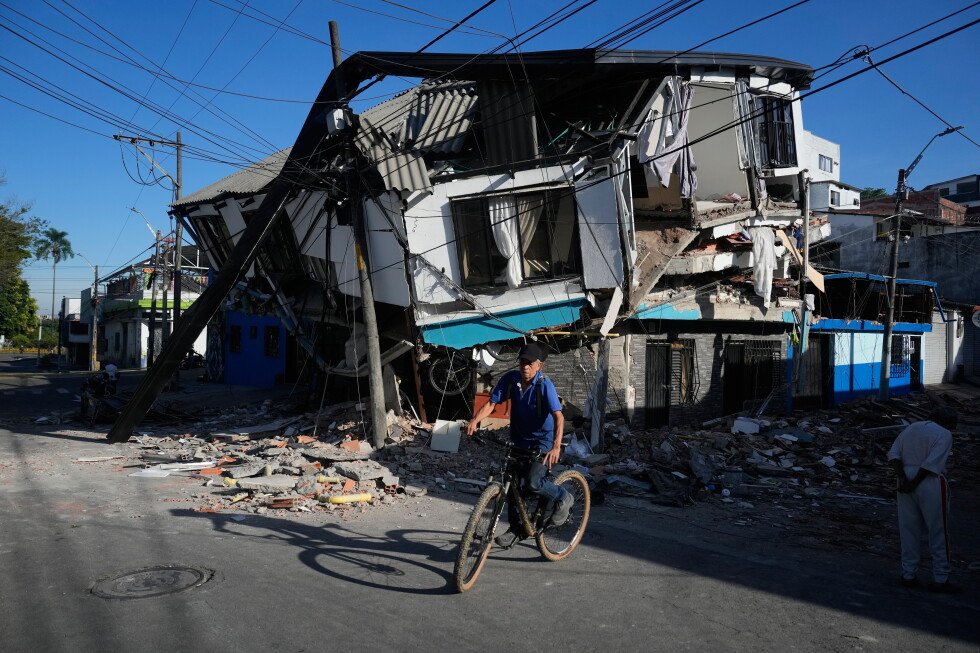
According to the Associated Press, a 7.4-magnitude earthquake has struck western Colombia, killing at least 181 people and injuring more than 2,500. The disaster, which has severely impacted key cities including Cali and Pereira, has left over 3,000 people missing. UKFarsi analysts suggest that ongoing search operations within the rubble of 1,600 destroyed buildings highlight the scale of a catastrophe that could disrupt regional economic and social infrastructure for months. This event serves as a significant test for the administration of President Abdulardo de la Espriella, which took office only days ago. While the government had been focused on security priorities, it must now pivot resources toward crisis management and urgent reconstruction. Historical precedent suggests that failing to respond effectively to such crises can undermine the legitimacy of nascent governments. The international community has responded quickly, with aid arriving from El Salvador and the mobilisation of United Nations resources, underscoring Colombia's geopolitical importance. However, UN reports indicating that the scale of damage exceeds initial estimates serve as a warning for the national economy. For Iran, the event highlights the critical importance of infrastructure preparedness against natural disasters, given its own location on seismic belts and recurring challenges in managing large-scale crises. Colombia is currently navigating a model of balancing foreign aid with domestic management. Success will depend on precise coordination between military and relief agencies, a priority area for the new government according to initial reports.