
Analysis: Colombia recognises Golan Heights in shift of regional legal norms
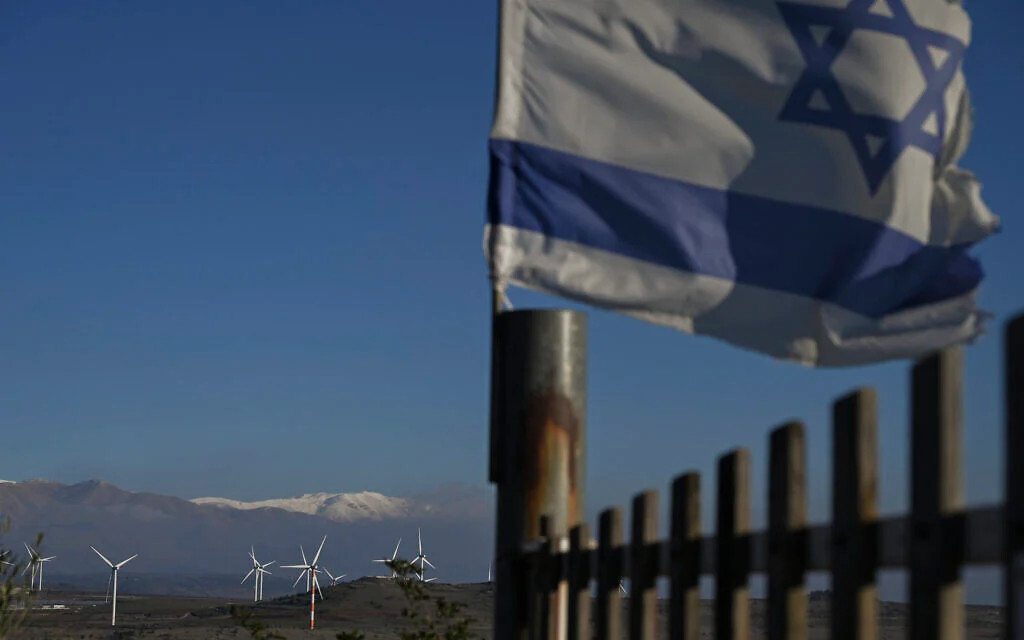
According to The Times of Israel, the new Colombian government has officially recognised Israeli sovereignty over the Golan Heights, becoming the second nation after the United States to do so. The Colombian Foreign Ministry justified the move by citing the Golan's strategic importance to Israel's security and the country's right to self-defence. The Golan was captured from Syria in 1967, and Israel's 1981 application of its laws to the territory is viewed by many international bodies as an annexation. While the 2019 US recognition marked a significant shift in Washington's long-standing policy, the Colombian decision does not currently appear to signal a broader international trend. This move must be viewed within the context of a change in government in Bogota. The new president, Abelardo de la Espriella, is a right-wing politician known for his pro-Israel stance; he has pledged to move the embassy to Jerusalem and restore ties that were strained under Gustavo Petro, particularly following the war in Gaza. For Israel, the value of this decision lies in breaking the US monopoly on official support for its sovereignty claims. Israeli Foreign Minister Gideon Sa'ar welcomed the move and stated he would work to encourage other nations to follow suit. However, the limited number of countries offering such recognition suggests that Israel's security arguments have yet to shift the prevailing international consensus on the Golan's status. From a regional perspective, this development is significant for Syria and Iran, as any normalisation of Israeli claims over disputed territories could set a precedent for diplomatic pressure in Middle Eastern territorial disputes. Nevertheless, the report indicates that the decision is unlikely to immediately alter the situation on the ground in the Golan, the security balance in Syria, or Iranian regional policy. Its primary impact remains at the level of political legitimisation and diplomatic messaging. The report also notes that the announcement coincided with a deadly earthquake in western Colombia and an offer of Israeli aid, though it does not establish a causal link between the two. Attributing the government's decision to this event would be speculative without further evidence. In conclusion, Colombia has joined a small group of nations supporting Israel's claim to the Golan—a significant step for bilateral relations and Israeli diplomacy, but one with limited broader legal or geopolitical consequences.