

Internal Likud rift: Failed attempts to oust Netanyahu post-October 7
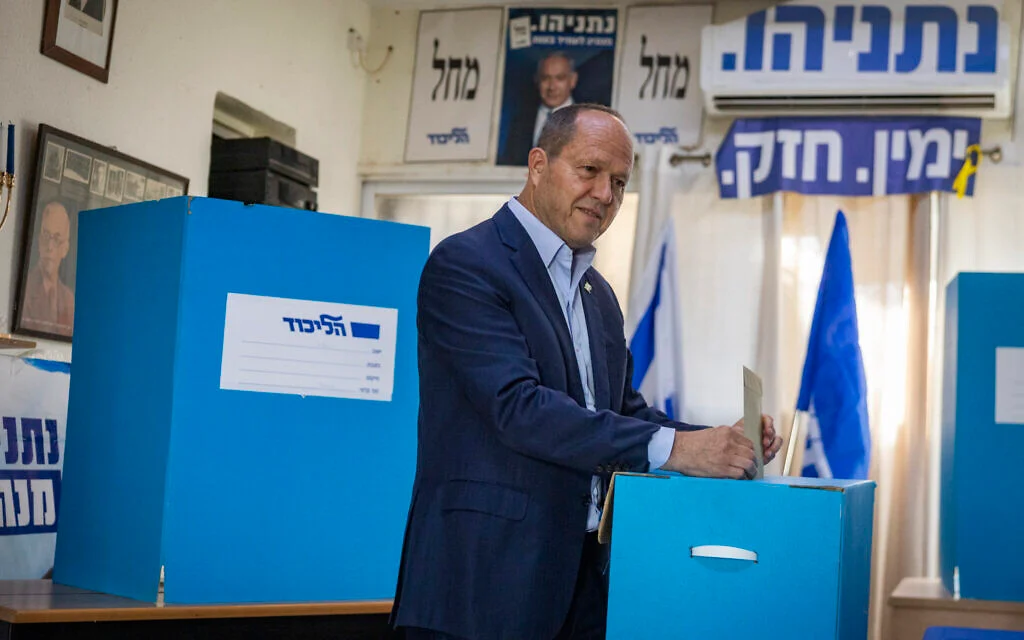
According to a report by The Times of Israel citing Channel 12, Nir Barkat and Yuli Edelstein pursued a plan to remove Benjamin Netanyahu via a constructive vote of no confidence in the Knesset following the security shock of October 7, 2023. This move, designed to replace the Prime Minister without dissolving parliament, indicates a significant opposition faction within the ruling Likud party that deemed Netanyahu's political survival untenable following the security failures of that day. UKFarsi analysts suggest these efforts were not merely party rivalry but a reaction to a crisis of legitimacy within Israel's political structure. However, a lack of consensus on a successor and personal rivalries among senior Likud figures prevented the plan from succeeding. Netanyahu, having identified these movements in time, utilised party levers to neutralise his opponents. This event is significant for regional security, as it demonstrates how instability at the top of Israel's power structure can influence strategic decision-making regarding sensitive issues such as Iran and its proxy groups. For the Islamic Republic, these reports confirm deep divisions within the political structure of its regional rival, although Netanyahu's continued tenure demonstrates his ability to manage and suppress internal dissent. Ultimately, these developments show that Israeli domestic politics remains overshadowed by the consequences of October 7, and Netanyahu's efforts to consolidate power through changes to the Likud electoral list signify ongoing internal tensions. This situation may impact the long-term stability of the Israeli government and its ability to advance major regional policies.