

Analysis: Israeli Election Committee Stance Draws Line Between Political Dispute and Institutional Integrity
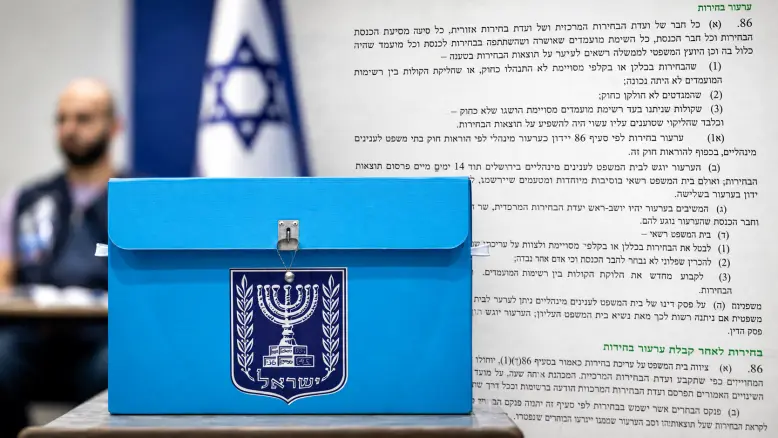
According to a report published by the newspaper Maariv, the Central Election Committee of Israel stated in response to coalition representatives' plans for a vote against ratifying the election results that the committee's plenary assembly lacks the legal authority to challenge the final results. The body emphasized that the plenary assembly's duties are exclusively limited to technical and numerical matters, and there is no internal structural authority to question the overall results. The committee also added that the election monitoring process was carried out extensively and submitted complaints were reviewed without finding any sign that the integrity of the voting had been compromised. From the perspective of independent analysts at the UKFarsi desk, this stance emphasizes, above all, the separation between partisan disputes and the credibility of legal and electoral structures. When an official regulatory body stands against potential political pressures and defines the framework of its duties as technical and removed from political influence, this signifies an effort to protect written regulations against transient political turbulence. Maariv noted in its report that the final results will be sent to the official gazette according to schedule and delivered to the president. From an analytical perspective, insisting on the independence of electoral institutions is crucial for the stability of the political structure in any country. When political actors attempt to overshadow the results emerging from ballot boxes with factional interests, the resistance of election implementation bodies prevents the erosion of public trust in democratic processes. However, UKFarsi analysts note that the existence of such tensions between politicians and executive bodies indicates deep divides in the political sphere that could affect the sustainability of coalitions and governments in the long term. For observers of regional developments, including in Iran, examining the performance and independence of regulatory and electoral institutions in other countries provides an example of structural challenges between political power and rule-of-law frameworks. While public opinion and political analysts constantly test the efficiency and neutrality of election monitoring institutions, any attempt to politicize these institutions faces protective reactions from within the system. Overall, the developments reported by Maariv show that Israel's legal election process is following its administrative path despite coalition maneuvers. The UKFarsi editorial desk believes that reliance on clear legal procedures and non-political interference in vote counting results is the cornerstone of preserving minimum standards of institutional order in societies with political tension, and the continuation of this process can prevent legitimacy crises.