

Sydney trial tests legal boundaries of online threats and content creation
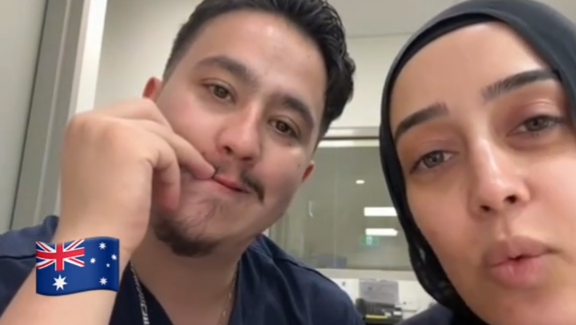
According to a report by Ynet, Israeli content creator Max Weifer is travelling to Sydney to testify in the trial of Ahmed 'Rashad' Nader and Sarah Abulibdeh, two former healthcare workers. The Australian Court of Appeal ruled last week that a video appearing to show the pair threatening Israelis may be admitted as evidence. However, the court's decision to admit the footage does not confirm the charges; the judiciary remains responsible for determining the video's authenticity, context, and any resulting criminal liability. Weifer has requested enhanced security in Australia, citing numerous threats received since the video was published. He stated that Australian authorities are covering costs including flights, accommodation, and police protection during court proceedings. He has also requested the presence of licensed professional security personnel, coordinated with the New South Wales Police. These measures highlight concerns regarding witness safety in a high-profile legal case. In the video, Weifer identifies himself as Israeli and is allegedly met with remarks regarding the killing of Israelis and a refusal to treat Israeli patients. Nader and Abulibdeh were suspended from their professional roles following the video's release. Ynet reports that the video has been viewed millions of times, which may amplify the social and security implications of the case, though this does not independently verify the claims or dictate the trial's outcome. The case raises two significant issues: the responsibility of individuals who threaten violence or discrimination in healthcare, and the role of content creators who document and publish such confrontations. The source report does not independently assess Weifer's motives, nor does it draw conclusions regarding the video's broader impact. For the Australian Jewish community, Weifer's security request is viewed within the context of rising global antisemitism, a position attributed to him in the report without independent verification by Ynet. Nevertheless, the provision of police protection indicates that authorities view the case as operationally sensitive. Any threat against a witness, regardless of their background or political stance, risks undermining public confidence in the judicial process. The case will now test how the Australian court distinguishes between free speech, political discourse related to the Israel-Palestine conflict, and direct threats against individuals. While the verdict may influence public perceptions of social media accountability, any prediction regarding the final outcome remains premature. It is clear that the widely viewed video has now entered the formal legal system, with witness security becoming a central component of the proceedings.