
Tehran proposes seven-day plan to reopen Strait of Hormuz
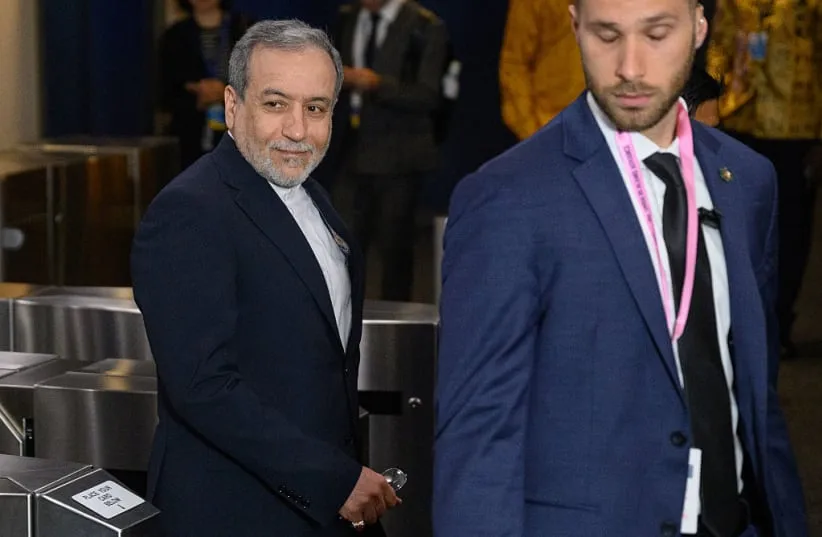
According to a report by The Jerusalem Post, Iranian Foreign Minister Abbas Araghchi has submitted a proposal to the United States aimed at reopening the Strait of Hormuz within seven days. The report states that the proposal is based on a memorandum of understanding reached between the two nations in June. Mr Araghchi has emphasised that the implementation of this plan is contingent upon specific conditions set by Tehran, although the report does not detail these requirements. Analysts suggest this move reflects Tehran's attempt to leverage pressure points during indirect diplomacy with Washington. The Strait of Hormuz, one of the world's most critical waterways, remains a focal point in the strategic calculations of both Iran and the West. If accurate, the seven-day reopening plan could signal Tehran's willingness to de-escalate maritime tensions amid mounting international and economic pressure. The reliance on previous agreements indicates that communication channels between Tehran and Washington remain active despite public tensions. For Iran, managing this vital route is not only an economic necessity for energy exports but also a tool for projecting power in regional equations. However, there are significant doubts regarding the sustainability of such agreements, as any change in the status of the Strait of Hormuz is directly linked to global energy security and the US military presence in the Persian Gulf. Analysts believe this proposal may be an attempt at crisis management rather than a definitive diplomatic breakthrough, as Tehran faces increasing domestic and foreign challenges. Ultimately, the success of the plan will depend on the flexibility of both parties in accepting each other's conditions and their ability to separate technical issues from deep-seated political disputes.