

Analysis: Why the Mecca security pact could be a strategic opportunity for Israel
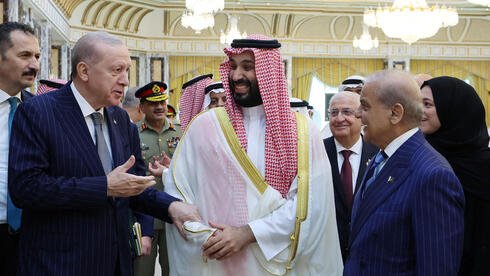
The trilateral security pact between Saudi Arabia, Turkey, and Pakistan, signed in Mecca on August 7, 2026, marks a significant shift in regional geopolitics. Known as the "Mecca Agreement," it includes a core principle where an armed attack against one member is considered an attack against all, functioning similarly to NATO’s Article 5. In this arrangement, Saudi Arabia provides financial power, Turkey contributes advanced drone technology and defense industry expertise, and Pakistan offers vast ground forces and nuclear deterrence.
Mohammed Wattad, a law professor and senior visiting researcher at the Institute for National Security Studies (INSS), writes in an analysis for Ynet that Israel’s exclusion from the pact is a strategic vantage point rather than a disadvantage. He argues that this allows Jerusalem to benefit from the regional stability created against Iran without being bound by the formal rules or political constraints of the alliance.
The analysis notes that Israel’s complex relationships with these three nations—such as the current diplomatic tensions with Turkey and the lack of formal relations with Pakistan—would have made membership in such an alliance politically and strategically difficult. However, the fact that these nations are forming a united front against Tehran serves Israel’s security interests.
The report also addresses Egypt’s absence from the alliance. Wattad suggests that Egypt’s role as an independent regional mediator is a security asset for Israel, and that joining the pact might diminish Cairo’s effectiveness in that capacity.
Ultimately, the analysis emphasizes that while the Mecca Agreement may help contain Iran, Israel’s security establishment must remain vigilant regarding potential shifts in the alliance’s focus. While the current objective is the containment of Tehran, Israel must maintain its operational independence to ensure its long-term security.