

128 Countries Agree on Document Paving Way for Regulation of ‘Killer Robots’
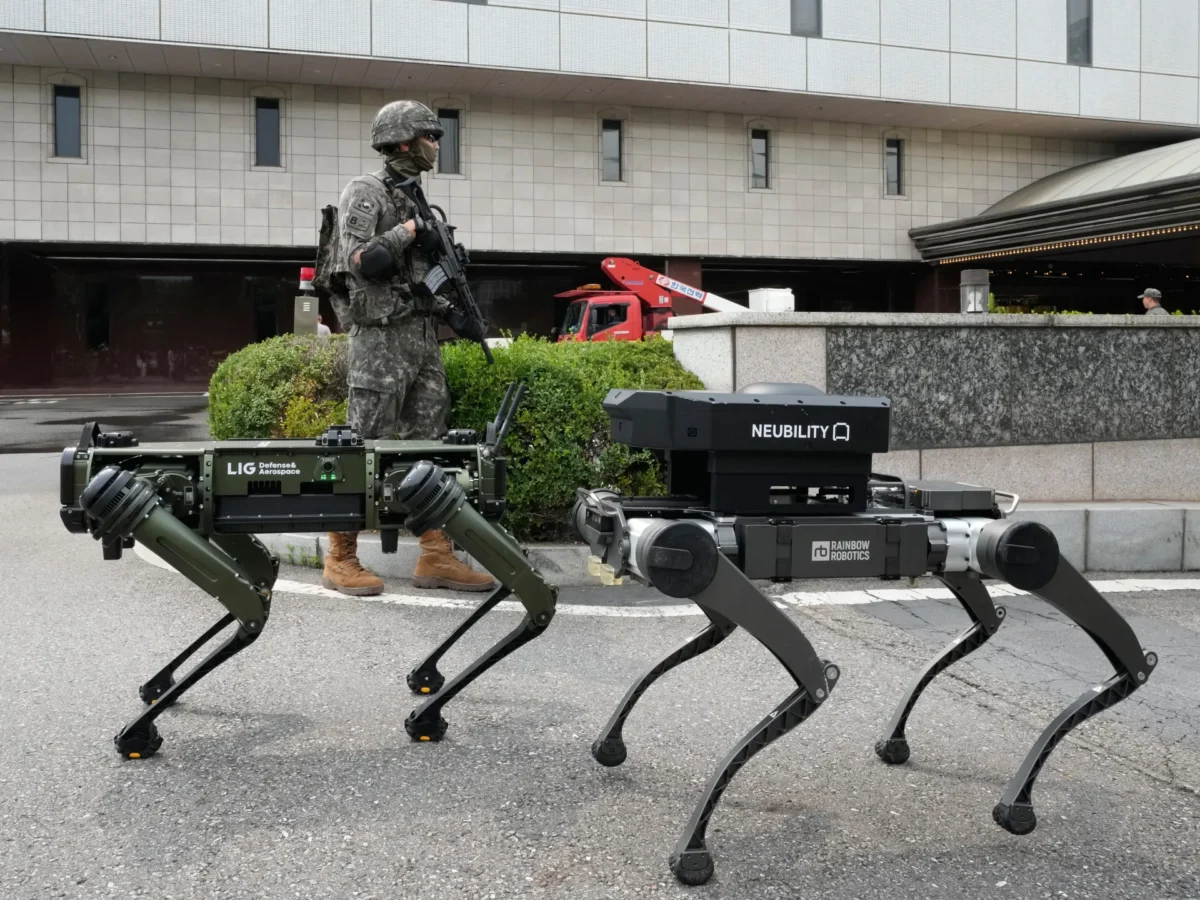
128 countries party to the Convention on Certain Conventional Weapons agreed on Saturday in Geneva on a non-binding document to pave the way for international rules regarding autonomous weapons. The consensus follows over a decade of negotiations aimed at regulating weapon systems capable of identifying and attacking targets with varying degrees of autonomy, often referred to as 'killer robots.' Nicole van Rooyen, executive director of the 'Stop Killer Robots' campaign, stated that the document had been significantly weakened in its final hours, noting that the definition of autonomous weapons and measures to limit civilian harm had been diluted. The United States and Russia were among the nations that opposed legally binding rules, preferring national guidelines instead. The International Committee of the Red Cross defines autonomous weapons as systems that select and apply force to targets without human intervention. Despite the document being non-binding, it is viewed as a potential precursor to formal negotiations for an international treaty, amid growing global concern over the use of such lethal systems in conflicts including those in Ukraine, Sudan, and the Middle East.