

Global sea surface temperatures reach record high in July
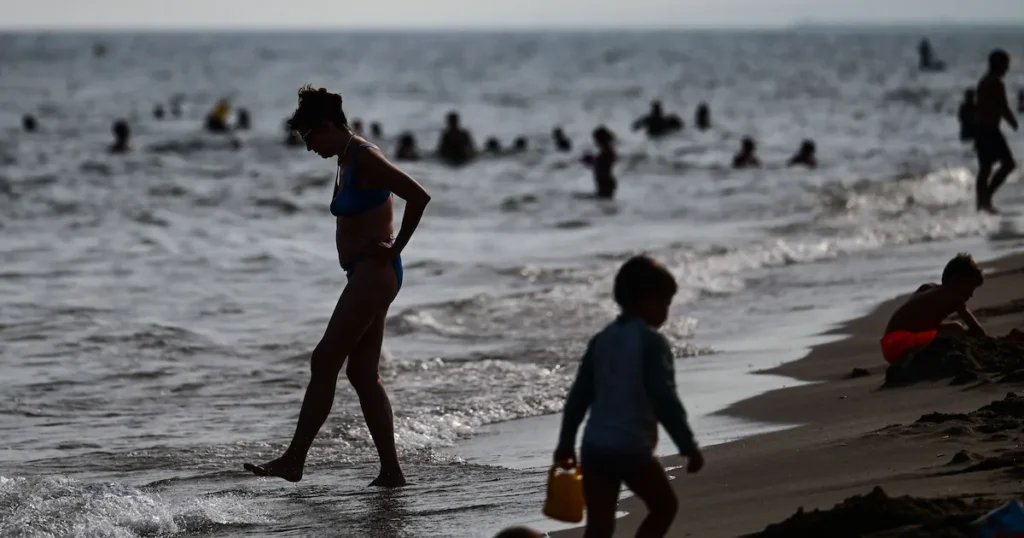
Global sea surface temperatures reached their highest recorded level in July, a phenomenon partially attributed to the effects of El Niño. The Copernicus Climate Change Service reported that the average sea surface temperature for the month was 20.97°C, surpassing the previous record of 20.89°C set in 2023. During the same period, prolonged heat and low rainfall in Western Europe exacerbated severe wildfires. Since the start of summer, these fires have scorched over 500,000 hectares across the European Union, marking the worst year on record for such incidents. The average temperature for June and July in Western Europe reached 21.62°C, which is 2.79°C above the average and higher than the previous record set in 2022. Samantha Burgess, deputy director of the Copernicus Climate Change Service, stated that July 2026 marked the third consecutive month of exceptional heat in Western Europe, with the combined average temperature for June and July reaching a regional record. According to the report, persistent high-pressure systems trapped heat over Western Europe, and the unprecedented temperatures intensified widespread drought. Rainfall and soil moisture levels were exceptionally low in France, Spain, and parts of Germany and the UK. Laurence Rouil, director of the Copernicus Atmosphere Monitoring Service, noted that larger wildfires are spreading further north. She explained that larger fires produce more smoke and inject it into higher altitudes, allowing it to travel further and impact air quality far beyond the immediate vicinity of the fires. She added that countries typically unaccustomed to forest fires may suffer due to long-range smoke transport, even thousands of kilometres away. The extreme heat also reduced water flow in major European rivers, including the Seine, Rhine, and Danube, disrupting water supplies and energy production. In Hungary, citizens were urged to reduce electricity consumption as low water levels in the Danube affected the Paks nuclear power plant. Conversely, parts of Europe, including the Baltic states, Turkey, Greece, eastern Ukraine, and western Russia, experienced above-average rainfall, leading to local flooding in some areas. Nevertheless, several of these regions also faced wildfires, with thousands of hectares of agricultural land near a popular tourist destination northwest of Athens burning last week. The World Food Programme warned earlier this week that El Niño, the periodic warming of the ocean surface in the Pacific, could push nearly 49 million more people into acute food insecurity in some of the world's most vulnerable regions by the end of next year. Water temperatures across much of the equatorial Pacific are expected to remain exceptionally high, with El Niño conditions likely to strengthen in the coming months. Water temperatures along the Atlantic coast and the western Mediterranean were also unusually high in July, triggering widespread severe or extreme marine heatwaves that have impacted coastal communities and ecosystems.