
Iran’s new weapon is not Hormuz. It is uncertainty
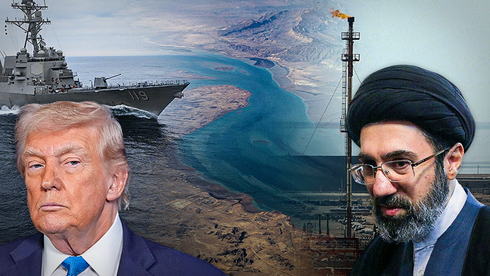
Policy analyst Amine Ayoub writes in an analysis for Ynet that the regime ruling Iran has discovered it does not need to fully close the Strait of Hormuz to weaponize it; it only needs to keep governments, markets, and voters uncertain about whether the waterway will remain open. According to the analysis, this strategy is less costly than a permanent blockade and allows Tehran to manipulate expectations with every threat or partial reopening. Data from the U.S. Energy Information Administration shows that oil transit through the strait fell from 21.6 million barrels per day in the final quarter of 2025 to 4.9 million barrels in the second quarter of 2026. The author argues that this turns strategic crises into background pressure, where fuel prices and inflation become more visible to the public than security issues. The analysis warns that for Israel, the central threat is that repeated economic shocks could gradually increase the political cost for Western governments to maintain a confrontational strategy against Tehran, potentially pushing them toward temporary arrangements that leave the regime's core capabilities intact.