

Voting restrictions for Israelis abroad: Why changing the law remains difficult
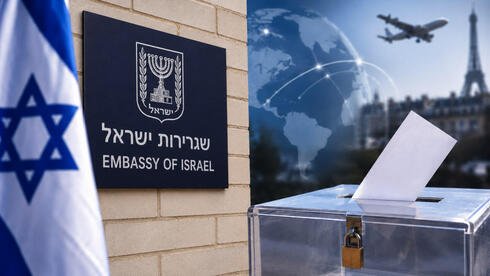
Ahead of the 26th Knesset elections, many Israelis living abroad are facing significant travel costs to participate in the vote. Under current law, the right to vote overseas is restricted to diplomats, state employees, and representatives of specific national institutions such as the Jewish Agency. This is despite the fact that Israel already operates over 100 polling stations at its diplomatic missions worldwide.
The debate over extending voting rights to ordinary citizens living abroad has persisted in Israeli politics for decades. Opponents argue that only those living in Israel, who are directly affected by government decisions on security, the economy, and healthcare, should have a say in the country's future. Communications Minister Shlomo Karhi recently emphasized that decisions regarding the country's future should remain in the hands of its residents.
Conversely, proponents argue that citizenship alone should be sufficient for voting rights and that current restrictions are inequitable. They point out that the existing system favors those with the financial means to travel to Israel. Some experts suggest adopting middle-ground models similar to those in Australia or Germany, which would allow citizens with temporary overseas residency to continue participating in elections.
Technically, Israel possesses the infrastructure to conduct overseas voting, and due to its nationwide proportional representation system, there is no need to prepare different ballots for various districts. However, the core of the issue lies not in logistics, but in the fundamental question of who constitutes the Israeli political community—a question that has remained unresolved for over four decades.