

Ballot battlefield takes shape as sides tussle over voters homebound and homeward bound
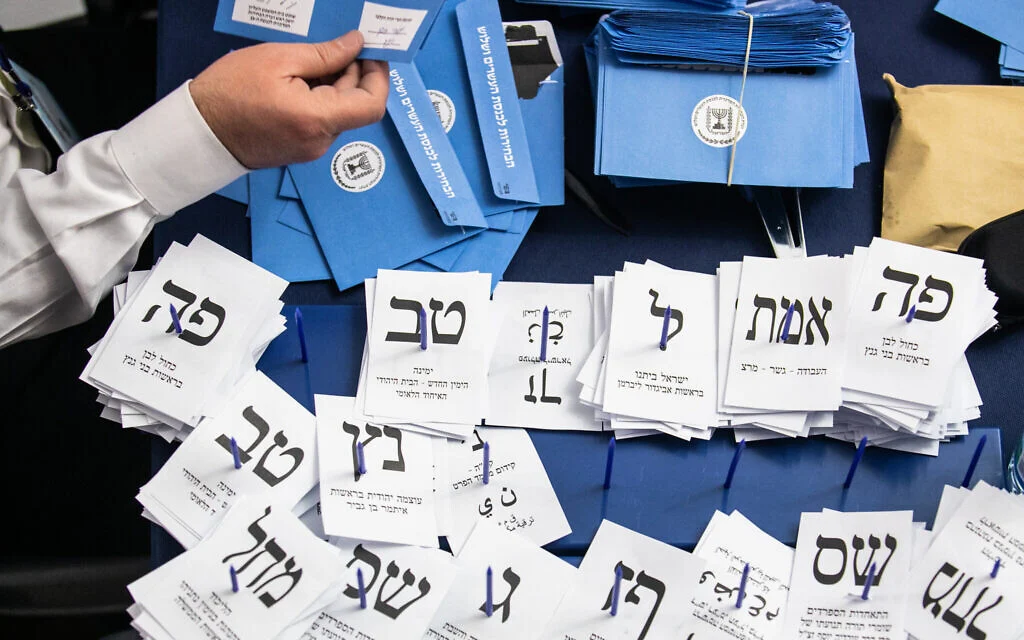
As Israel prepares for the October 27 elections, experts warn that disputes over the administration of the vote and access to the ballot box have made this one of the most consequential elections in the country's history. Gadi Eisenkot, Prime Minister Benjamin Netanyahu's main rival, has launched an unprecedented campaign by placing billboards in Cyprus to encourage Israeli expatriates to return home to vote. This move, alongside efforts by non-governmental organizations to facilitate the return of voters, has drawn sharp criticism from the Likud party.
The Likud party claims these initiatives are organized to sway election results using foreign funding. Conversely, critics accuse the Netanyahu government of attempting to suppress votes by restricting access to polling stations in retirement homes and creating logistical hurdles for voters. Yael Shomer, a political science professor at Tel Aviv University, argues that this election is not merely a competition between parties, but a battle over the future of Israel's political and democratic system.
Concerns regarding election integrity extend beyond political parties. President Isaac Herzog, along with the chairman of the Central Elections Committee and the head of the Shin Bet, have emphasized their commitment to ensuring the integrity of the voting process. However, analysts suggest that verbal attacks by some Knesset members against the Central Elections Committee are part of a broader campaign to delegitimize state institutions, which could lead to challenges against the election results.
Polling by the Israel Democracy Institute indicates that a large segment of the public is skeptical about the integrity of the election. While some Israelis living abroad left due to political tensions and the war following October 7, initiatives like 'Fly & Vote' are attempting to boost their participation. Meanwhile, debates over the use of cameras at polling stations and new restrictions on election observers have further polarized the electoral environment.