
Israel prepares for a potential reduction in the US role in the Middle East, says Newsweek
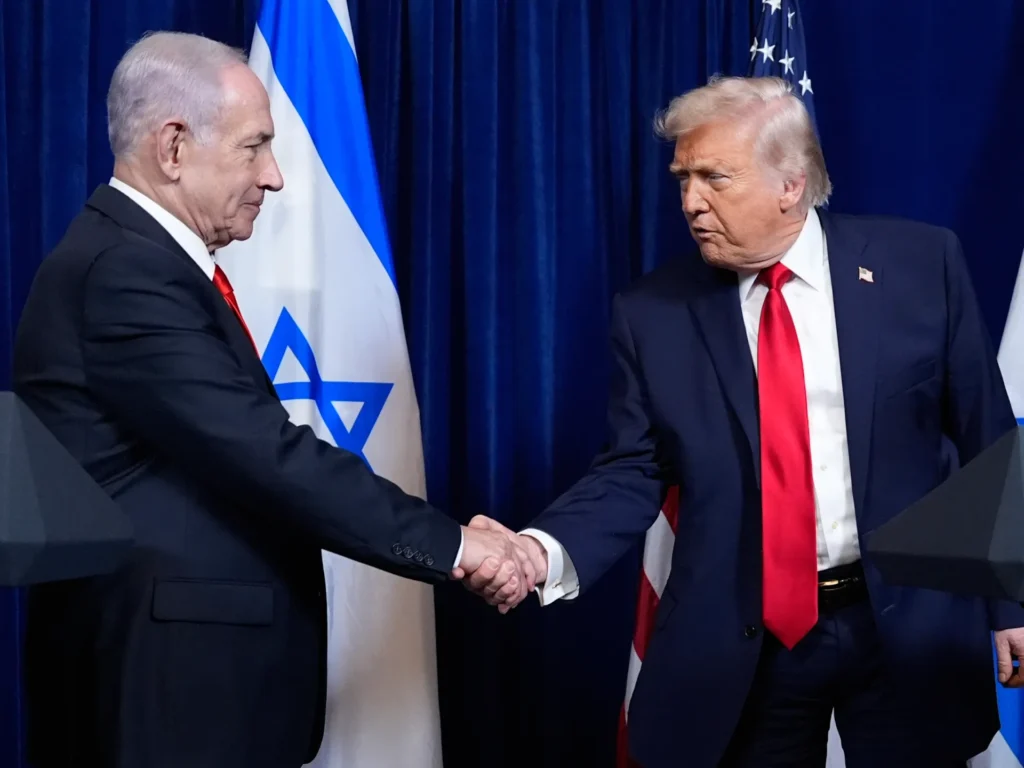
The American magazine Newsweek has reported that Israel is preparing for the possibility of a diminished US role in the Middle East. This shift does not mean abandoning the historic alliance with Washington, but rather aims to increase security independence and expand a network of regional and international allies. Tom O'Connor, Newsweek's deputy editor for national security, policy, and foreign affairs, wrote the report based on statements by Ofir Akunis, Israel's Consul General in New York. Akunis stated that Israel's concerns are not limited to war with Iran or waves of instability in the Middle East; domestic and foreign policy developments in the US could also impact the historic alliance between the two countries in the future. He noted that Israelis hope the US will always stand by them, but at the same time they must 'be prepared to be more independent than in the past.' Akunis described the rise of American political currents critical of Israel and opposition to Washington's foreign interventions as a new development for Israel. Newsweek wrote that this approach does not mean Israel is preparing to manage its affairs entirely without foreign allies. According to the report, alongside its alliance with the US, Tel Aviv is striving to expand its relations with India, Greece, Cyprus, certain Arab countries, and even South American nations to have more maneuvering options should Washington's policy shift. The report described this new policy as a sign of a change in Israel's security calculations, whereby the alliance with the US is no longer viewed as Tel Aviv's sole security guarantee, and Israel is seeking to build a multilateral network of political, economic, and security partnerships. Akunis considered the threats facing Israel to extend beyond Iran and its allies, pointing to changing power balances in the Arab and Islamic world. He spoke cautiously about a 'quartet' of Saudi Arabia, Turkey, Egypt, and Pakistan, particularly amid increasing defense cooperation among several of these nations. According to him, Turkey holds a special place in Israeli calculations. Relations between Benjamin Netanyahu's government and Turkish President Recep Tayyip Erdogan have soured severely in recent years following Ankara's stance on the Gaza war. Akunis suggested that Turkey could become a new challenge for Israel in the future, although he emphasized that Iran remains Tel Aviv's primary and immediate threat. Regarding the outcome of the war with Iran, the Israeli diplomat warned against hasty judgments, stating that the Islamic Republic has survived for nearly five decades and confronting it requires patience. In a message directed at US President Donald Trump, he called for a tougher stance against Tehran, saying that showing weakness could encourage Iran to continue its confrontation. Akunis also claimed that in the absence of Hamas, there is potential for Gaza to be transformed into a prosperous region. He proposed reviving a historic communication route between Beirut and Cairo—a pathway passing through Haifa, Tel Aviv, and Gaza to reach Egypt—which he said could form part of a regional network resembling major transport corridors in the US.