

Lebanon abolishes death penalty, becoming first Arab nation to do so
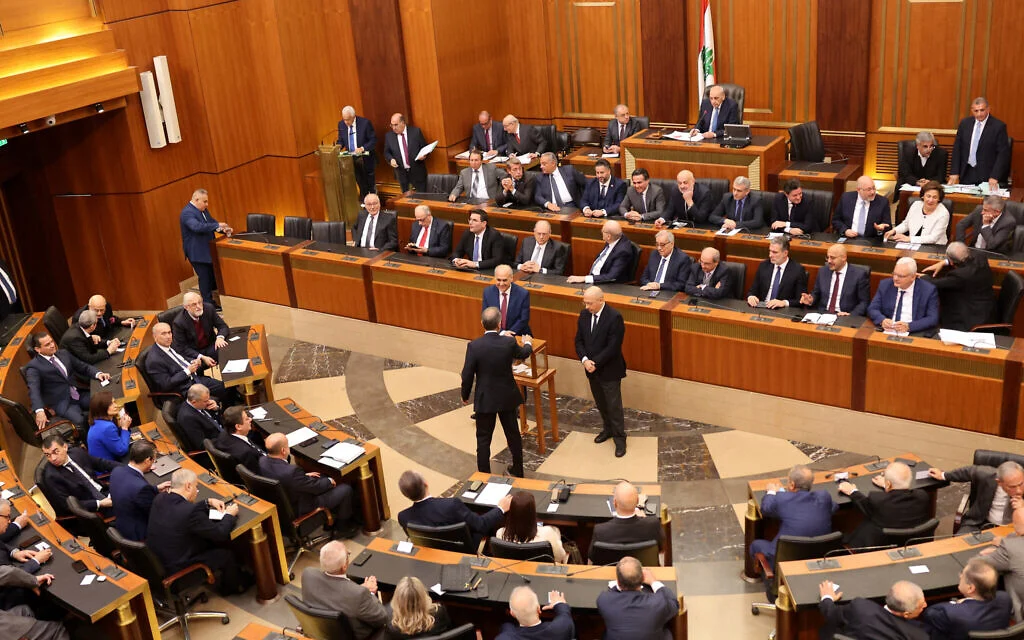
The Lebanese parliament voted on Tuesday to abolish the death penalty, making the country the first in the Arab world to replace capital punishment with life imprisonment involving hard labour. A majority of the 128-member parliament supported the bill, with the Hezbollah bloc being the sole faction to oppose it. Justice Minister Adel Nassar, who attended the session, described the decision as a historic step for the nation. Lebanon had unofficially suspended executions since January 2004. Despite this, dozens of death sentences were issued in the intervening years, though they were subsequently suspended or commuted. Ramzi Kaiss, a Lebanon researcher at Human Rights Watch, stated that the country is now moving away from a cruel punishment that should never be applied, noting that the death penalty is inherently prone to arbitrariness, discrimination, and error due to its irreversible nature. However, it remains unclear how the hard labour component will be implemented in practice. While this penalty exists in Lebanese law and some court rulings, it has been rarely enforced in recent years due to the country's financial crisis, lack of resources, and the limited capacity of overcrowded prisons. The abolition of the death penalty coincides with parliamentary debates over a controversial general amnesty bill. If passed, it would be the largest amnesty since the end of Lebanon's 15-year civil war in 1990, potentially leading to reduced sentences or the release of some convicts, including those involved in terrorism and drug-related cases, though some exceptions are planned. Families of Lebanese soldiers and security personnel killed or wounded in attacks by Islamist groups have repeatedly protested against the amnesty proposal. Some have expressed that they expected the perpetrators to face execution rather than reduced prison terms. Hezbollah has not yet issued an official comment on the vote. Various religious institutions in Lebanon, some of which consider the death penalty legal under their own judicial frameworks, have not yet provided an immediate response to the decision.