

Pezeshkian says now is the best time for a deal as Vance reports progress in talks
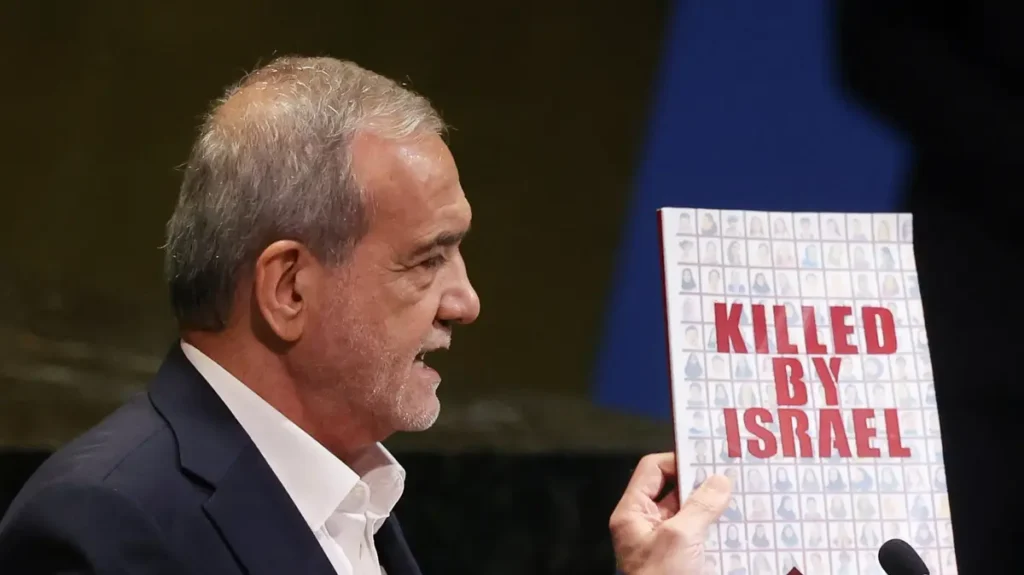
Iranian President Masoud Pezeshkian said on Saturday that now is the best time to reach an agreement because Iran is strong and united, and in his view, appears to be winning the war. He made this stance known at the same time a spokesperson for the Iranian military stated that the mechanism implemented by Tehran in the Strait of Hormuz is irreversible. The military official added that America has no choice but to accept the current situation in the Strait of Hormuz, otherwise it will suffer heavier casualties. In contrast, US Vice President JD Vance said in an interview with Fox News that the Iranians are suffering greatly and want this situation to end. He added that the main question is whether Iran or its ruling structure can take actions that the US deems necessary for a satisfactory end to the conflict. Vance said the outcome is not yet certain, but added that he thinks progress has been made over the past few days. CNN also reported, citing three knowledgeable sources, that General Dan Caine, Chairman of the US Joint Chiefs of Staff, emphasized the need to find an exit strategy from the war with Iran in private talks with Donald Trump's administration officials in recent weeks. According to the report, Caine believes that the available military options to escalate the conflict may backfire and that airstrikes alone are unlikely to achieve the goals stated by Trump. One source told CNN that Caine is looking for a way out. Two other sources said he discussed the limitations of military options and the need to consider a path to end the conflict with officials including CIA Director John Ratcliffe, Secretary of State Marco Rubio, and Vance. The Wall Street Journal reported on Thursday that Iran and Oman have finalized the drafting of an agreement to reopen the Strait of Hormuz. According to the report, under this agreement Tehran will have the authority to monitor ships entering the Persian Gulf, but will not be allowed to charge transit tolls or service fees from them. Based on reports published in Iran, the country's parliament is also scheduled to review a draft law on the strategic control of the Strait of Hormuz, a law that envisions broad powers for the government and armed forces in monitoring and guiding maritime traffic in the region. This bill bans the passage of ships or cargoes related to the US, Israel, hostile countries, or groups opposed to the axis of resistance and Iranian interests, and makes the lifting of the ban conditional on the payment of compensation for damages inflicted on Iran. Fines of up to 20 percent of the cargo value have also been proposed for violators. An Iranian official also previously stated that Iran and Oman intend to collect special fees of up to seven and three percent respectively from vessels applying to enter the Persian Gulf.