

Why shipping through the Strait of Hormuz remains sluggish despite ceasefires
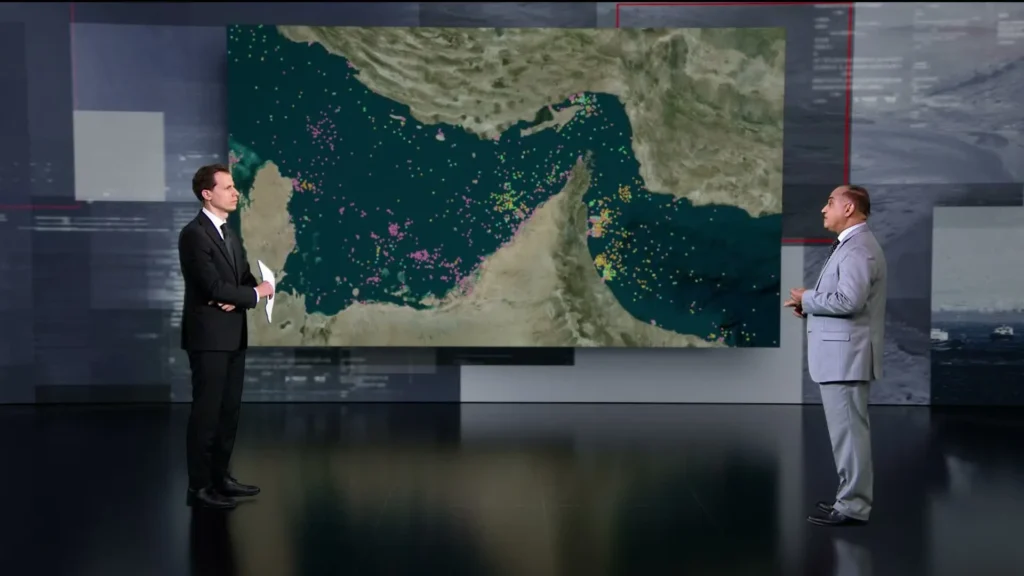
Despite repeated statements regarding de-escalation and the imminent resumption of maritime traffic in the Strait of Hormuz, vessel movement remains slow and restricted. According to Al Jazeera, this situation highlights the gap between political optimism and the calculations of shipping and insurance companies. According to the report, the blockade and mutual threats continue to exert pressure on maritime traffic. Tehran and Muscat are discussing new shipping routes, but relevant companies remain cautious about returning ships to one of the world's most important maritime passages. Al Jazeera reporter Omar Abdellatif, citing the US Central Command, stated that since the blockade of the Iranian coast began, the command has rerouted 51 commercial vessels and stopped two others by force due to what was described as "refusal to obey orders." Data from the vessel tracking website Kpler shows that over the past week, only six oil tankers left the Strait of Hormuz, while 21 commercial vessels entered it—figures that indicate continued limited traffic and a wide gap with the normal situation. According to Abdellatif, the US blockade extends from the Arabian Sea and aims to prevent ships from entering or leaving Iranian ports and coasts. At the same time, Iran and Oman are discussing new routes. The three routes under discussion include northern routes within Iranian territorial waters, an international route established by the International Maritime Organization in 1968, and an Omani route. The details of the new arrangements between Tehran and Muscat have not yet been officially announced. Major General Mohamed Abdelwahed, a strategic and maritime security expert, told Al Jazeera that traffic in recent hours has remained slow. He added that shipping and insurance companies do not consider statements about de-escalation to be sufficient guarantees to resume transit, and are waiting for a written, binding agreement alongside field evidence of a real reduction in maritime risks. Abdelwahed described the northern route as having specific challenges because it passes through Iranian territorial waters, which in his assessment increases Tehran's ability to monitor vessels entering the Persian Gulf and to stop or inspect suspicious ships. He said that controlling entry can effectively affect exit as well, which further increases the caution of shipping and insurance companies, especially since de-escalation does not necessarily mean the end of the conflict, and its center may shift to other areas. The expert also raised the possibility of confrontations moving to "grey zones" during the ceasefire period, including southern Lebanon, Gaza, the West Bank, and the Red Sea. The debate over the existence of naval mines has also added to the complexity of the situation. Abdelwahed said that in the event of a political and mature agreement, mine clearance—if their existence is confirmed—would be possible, noting Iran's commitment to clear the strait within a specified timeframe. According to him, the issue of mines has simultaneously become a deterrent tool: the US uses it to attribute responsibility for the disruption of shipping to Iran, and Tehran also uses the issue to warn ships against using routes other than those approved by it. Abdelwahed emphasized that the problem is not just mines, but a combination of Iranian threats and the US blockade—pressure that, instead of freeing shipping, has increased the concerns of transport and insurance companies. The expert attributed the drop in oil prices, despite the disruption to maritime traffic, to the markets' reaction to political optimism and repeated US statements about the imminent reopening of the strait. He suggested that current ceasefires may be tactical, with preparations underway behind the scenes for a new round of military operations. According to Abdelwahed, even in the event of a clear and binding agreement between Iran and Oman, the return of confidence will be gradual; shipping companies must be sure of the stability of the maritime environment, and insurance companies will also need more time to reduce premiums, as this decision is made through committees comprising maritime bodies, shipping companies, and insurers.