
Why Saudi Arabia targets Iraqi militias but avoids direct conflict with Iran
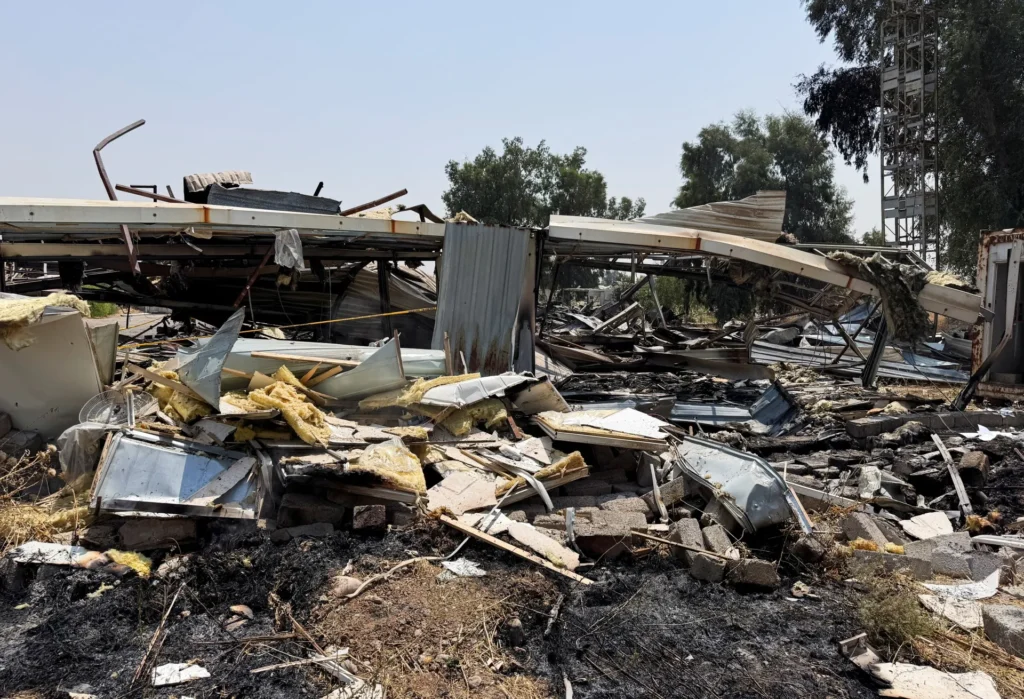
Since the onset of the conflict involving the US, Israel, and Iran on 29 February, Saudi Arabia has avoided a large-scale military response to missile and drone attacks attributed to Tehran. However, in July, Riyadh collaborated with the US to strike positions held by Iranian-aligned armed groups in Iraq. While Riyadh has condemned the attacks and blamed Tehran, it has not officially confirmed reports of its own limited strikes. The joint US-Saudi air campaign across seven Iraqi provinces followed repeated attempts by these groups to target Saudi energy facilities. The Popular Mobilization Forces reported that 20 of its members were killed and 32 wounded in these operations. This approach follows the collapse of a memorandum of understanding between Tehran and the US, amid ongoing Iranian attacks on shipping and American positions. Although US President Donald Trump initially signalled a major strike on Iran, he suspended the action after consulting with Gulf Arab states, opting to allow further diplomatic efforts. Saudi state media reported that Crown Prince Mohammed bin Salman emphasised the need for dialogue to de-escalate regional tensions during a call with President Trump. Political researcher Dr Ayed al-Mana told Alhurra that Saudi Arabia seeks to avoid a regional conflagration, citing the potential for Iranian state collapse, refugee crises, and retaliatory strikes against Gulf nations and Jordan. He noted that with US and Israeli strikes already degrading Iranian capabilities, Riyadh now favours a political solution that secures the Strait of Hormuz and addresses uranium enrichment, potentially involving sanctions relief provided funds are not diverted to military use. Analyst Mohamed Merhi attributes Saudi restraint to the high costs of direct war, which could exhaust resources, threaten critical infrastructure, and destabilise energy markets. Political analyst Mubarak al-Ati describes the policy as 'conditional deterrence' and 'strategic separation,' noting that while Riyadh reserves the right to respond, it aims to avoid a war of attrition that would jeopardise its Vision 2030 projects. Al-Ati explains that Riyadh applies a 'fire for fire' policy against armed groups because their launch sites in Iraq are easier to identify and target, serving as a deterrent without escalating to a full-scale war with Iran. The strikes in Iraq coincided with US pressure on the Iraqi government to disarm non-state actors, a move that also delayed a planned visit by the Iraqi Prime Minister to Saudi Arabia. Following the strikes, Saudi Defence Minister Prince Khalid bin Salman met with President Trump. According to Axios, the meeting was intended to convey the Crown Prince's position on regional developments. A source told Axios that Prince Khalid also informed US Vice President JD Vance that attacks on Saudi energy infrastructure had crossed a 'red line,' necessitating a response, though Riyadh has not officially confirmed this. Analysts suggest Saudi Arabia will continue to balance limited military deterrence with political engagement, aiming to raise the cost of aggression while keeping diplomatic channels open to prevent a wider conflict.