

US general seeks exit strategy from Iran war as top brass warns air power has limits
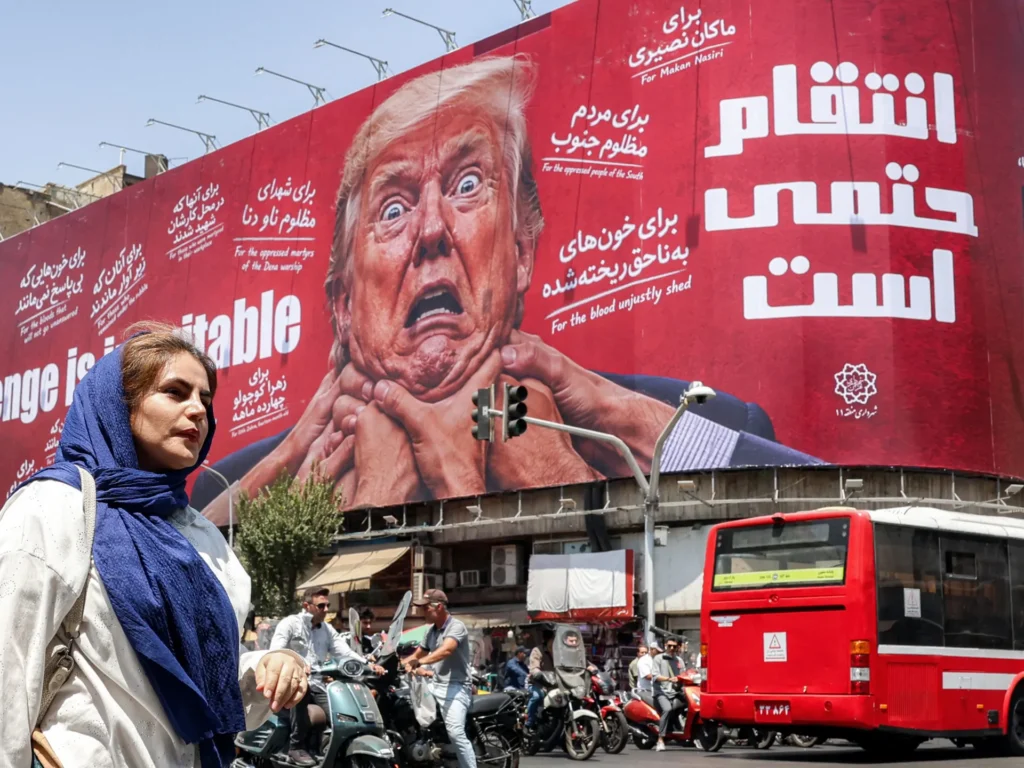
After around six months of war with Iran, US officials are examining ways to translate military superiority into political gains and exit the current conflict stalemate, which knowledgeable sources say has been exacerbated by depleting ammunition reserves, the limitations of airstrikes and the risk of regional escalation. US President Donald Trump continues to speak about the possibility of intensifying the war, but General Dan Caine, Chairman of the Joint Chiefs of Staff, has told senior administration advisors in private meetings that Washington must find an exit route. According to CNN, one knowledgeable source stated that Caine is looking for a way out. Caine has shared these concerns with CIA Director John Ratcliffe, Secretary of State Marco Rubio and Vice President JD Vance, discussing the limitations and consequences of military options with Trump's core advisors, including options that do not involve deploying ground troops to Iran. A source told CNN that Caine's stance may be an effort to protect the military and preserve its operational capability. At the core of the disagreement is the assessment of air bombing capabilities in achieving war goals. Trump, who has consistently opposed sending ground troops, believes airstrikes can force Iran to accept an agreement on his terms, but Caine and several other administration officials consider this outcome unlikely. In a meeting with lawmakers, Caine explicitly stated that air power has limits. According to Al Jazeera, an intelligence officer at US Central Command recently asked a broad group of military analysts to put forward new, creative and unconventional proposals to pressure and punish Iran. This request followed reports that Admiral Brad Cooper, commander of US Central Command, informed the Pentagon and the White House that the bombing campaign around the Strait of Hormuz has reached the limit of its effectiveness and that most available targets in the region have been destroyed. He stated that continuing strikes in the same pattern will yield no new effects and that the next phase to achieve remaining objectives would require major combat operations. However, intensifying operations carries a higher cost. According to an estimate by the Center for Strategic and International Studies in a report published on July 27, US stock of Patriot interceptor missiles has fallen from around 2,330 before the war to approximately 759 to 827. Inventory of THAAD missiles has also dropped from 452 to roughly 234 to 278. US military officials and certain Gulf state authorities have warned about the implications of shortages in advanced air defence systems for countering a potential Iranian retaliation. Caine and other military commanders warned Trump before the war began about the impact of a prolonged campaign on US weapons stockpiles, particularly weapons supporting Israel and Ukraine. Sources stated these concerns were raised in at least two meetings with the US president, and some commanders now view munition reserves as critically low. In late July, Trump was initially prepared to approve an operation he described as major, but stepped back from an immediate escalation after Middle Eastern allies warned of potential Iranian retaliatory strikes on energy infrastructure. He has repeatedly threatened to target Iranian energy infrastructure, but sources told CNN such an action would likely not compel Tehran to surrender and could trigger counterattacks on Gulf state energy facilities. Conversely, Caine and other officials are seeking an approach that provides Trump with a symbolic victory that can be presented domestically within the US, without foreclosing the possibility of a diplomatic opening, including an agreement to reopen the Strait of Hormuz. The US Department of War emphasized that the nation's military is the strongest in the world and has the capacity to execute the president's decisions, but the commanders' positions indicate the core issue is no longer simply the ability to destroy more targets, but the limits of military power in rapidly achieving political objectives. The New York Times wrote in a July report that after the collapse of an understanding that had temporarily halted hostilities, the US has entered a new cycle of endless wars—conflicts that have intensified alongside the continued closure of the Strait of Hormuz without achieving Washington's declared goals, including toppling the Iranian government or ending its nuclear programme. Lawrence Freedman, professor of war studies at King's College London, told the newspaper that major powers often overestimate their military power to rapidly achieve political goals and ignore its limitations against an adversary prepared for a protracted war. He added that Trump, much like Russian President Vladimir Putin, has set goals that require a long confrontation while opposing the deployment of ground troops to Iran and relying primarily on air and naval strikes. Based on this analysis, the 1991 Gulf War succeeded due to the limited objective of driving Iraqi forces out of Kuwait, whereas the 2003 invasion of Iraq and the war in Afghanistan starting in 2001 evolved into projects for rebuilding governments and societies and ended without achieving ultimate objectives. Newsweek has also written that continuing the war may benefit the interests of the Islamic Revolutionary Guard Corps more than Washington, because a prolonged conflict strengthens the position of the military institution within Iran's governing structure and creates conditions for intensified security control. Analyses cited in the report conclude that airstrikes, even on a massive scale, can weaken Iranian infrastructure but are insufficient to destroy missile capabilities or overthrow the government.