
Bosnia votes with wartime divisions still dominating
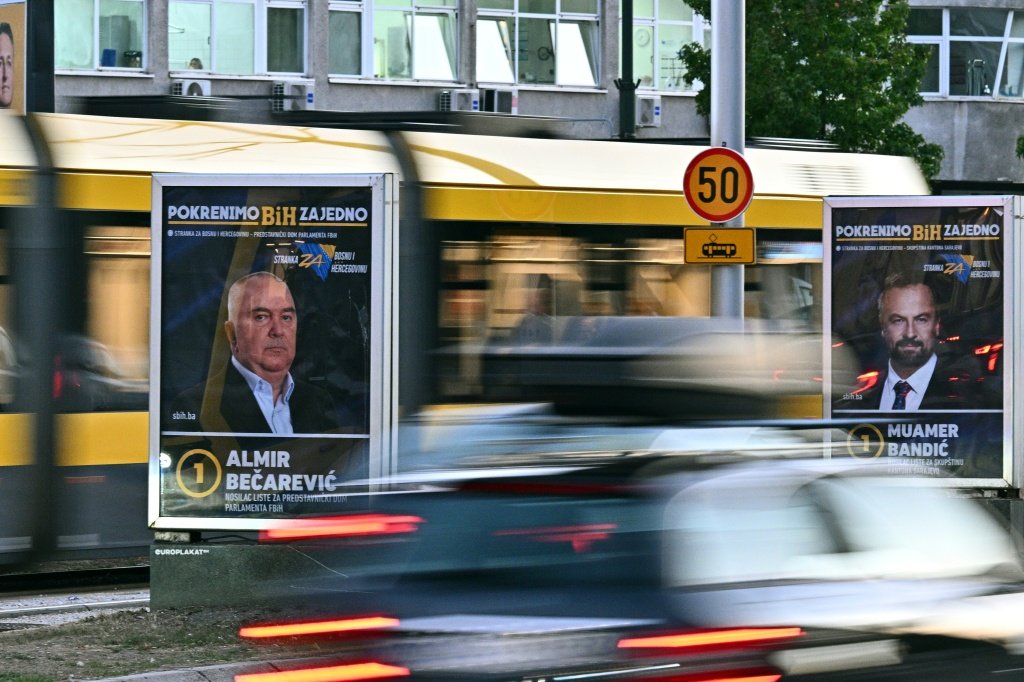
Bosnia and Herzegovina headed to the polls on Sunday for a general election campaign dominated by parties that identify closely with the ethnic divisions of its 1990s war. Voters cast ballots for a complex array of officials across multiple tiers of government, a system established by the 1995 Dayton peace agreement. The key race is for the tripartite presidency, split between Bosniaks, Serbs, and Croats, with candidates offering conflicting visions ranging from a united country to greater autonomy for the Serb-run entity and increased political representation for Croats. Activist Adi Selman told AFP that voters are frustrated by the focus on war-era rhetoric, noting that the political landscape has remained largely unchanged for 30 years. The Dayton agreement, while ending the 1992-1995 conflict, created a system that often leads to political paralysis. Milorad Dodik remains the central figure in the Serb-run Republika Srpska (RS), despite being banned from the presidency due to a conviction for overstepping his powers. His separatist rhetoric continues to clash with central authorities. Meanwhile, Bosniak parties are pushing for a stronger central state and integration with the EU and NATO, though researchers note that little progress has been made on these fronts. The ongoing political deadlock is cited by many young Bosnians as a primary reason for emigration. The start of voting was delayed in several polling stations due to technical issues with new biometric identification technology.