Iran hails Mecca defence pact as ‘major development’ amid Hormuz transit talks
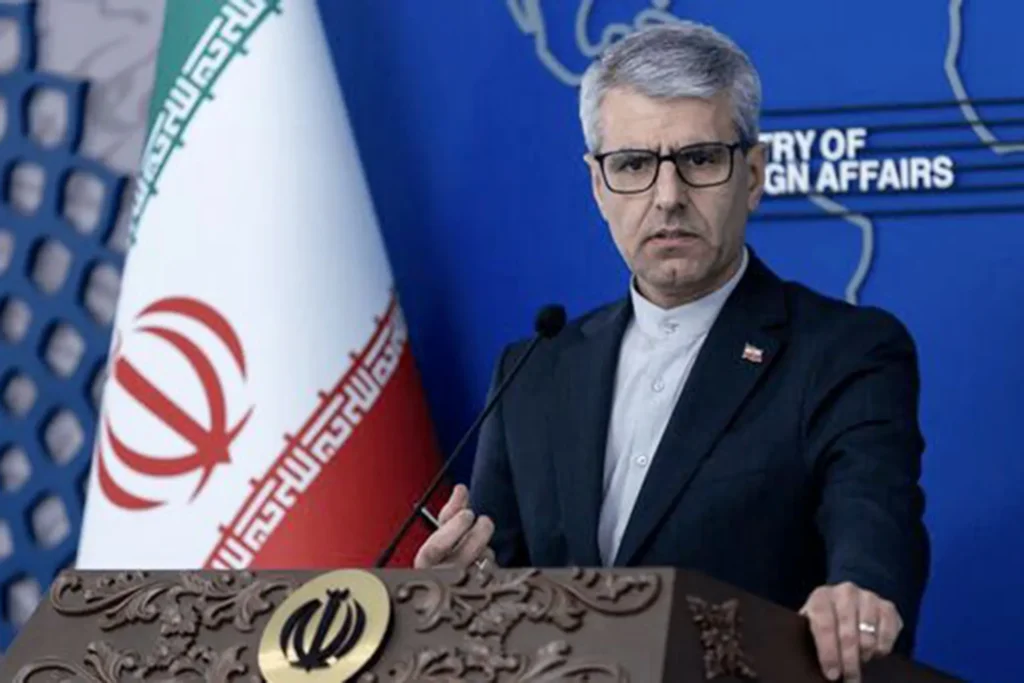
Esmaeil Baghaei, spokesperson for Iran’s Ministry of Foreign Affairs, described the defence pact signed by Saudi Arabia, Turkey and Pakistan as a 'major development' during a press conference in Tehran on Monday. He urged regional nations to strengthen cooperation and security arrangements without relying on external powers. Baghaei stated that the 'Mecca Agreement' demonstrates that countries can no longer depend solely on the United States for regional security. He added that Iran maintains 'strong and historical' ties with the three signatories and sees no cause for concern regarding the deal. The mutual defence agreement, signed on Friday at the Safa Palace in Mecca by Saudi Crown Prince Mohammed bin Salman, Turkish President Recep Tayyip Erdogan and Pakistani Prime Minister Shehbaz Sharif, stipulates that an armed attack on one signatory will be considered an attack on all. The parties have pledged to enhance joint deterrence and expand defence cooperation. Regarding maritime security, Baghaei confirmed that Tehran and Muscat have reached an agreement on a transit route map for the Strait of Hormuz and are currently addressing technical details. He described the talks as 'constructive and positive', noting that the objective is to define shipping lanes in the strategic waterway. Baghaei characterised the southern route of the Strait as 'illegal and unsafe', claiming it contradicts a memorandum of understanding he alleged was signed between Iran and the US last June. He asserted that mine-clearing operations are the sole responsibility of Iran and Oman as the two coastal states. While stating that there are currently no negotiations regarding the collection of transit tolls, he noted that mechanisms for monitoring maritime traffic and providing services will be established, adding that charging for such services would be 'natural'. Regional nations and the US have previously opposed any potential toll collection. Baghaei further warned that the Strait of Hormuz will remain insecure as long as US policy and what he termed a 'maritime blockade' persist. He claimed that Iran remains in a state of war due to this alleged 'aggressive US maritime blockade'. He reiterated that Tehran is not currently engaged in direct negotiations with Washington, communicating only through intermediaries.