

Israel’s PTSD crisis deepens as war trauma spreads
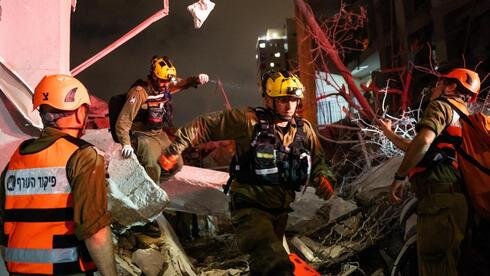
According to data from Clalit Health Services, Israel’s largest healthcare provider, diagnoses of post-traumatic stress disorder (PTSD) among the general population have surged by 70% since the October 7, 2023, attacks. The report, cited by The Telegraph, indicates that the baseline rate of PTSD diagnosis is now three to four times higher than in 2018. It is estimated that approximately 60,000 new cases are directly linked to the ongoing conflict. Professor Amir Krivoy, director of the Geha Mental Health Center near Tel Aviv, warned that due to the continuous state of war and repeated stress, these figures are expected to rise in the short term. He emphasized that PTSD data represents only a fraction of the broader mental health crisis, suggesting that the number of people requiring mental health services could be two to three times higher. Meanwhile, reports indicate a rise in suicide rates among Israeli soldiers, with five deaths recorded this month alone, bringing the total for the year to 19. Dr. Jordan Lewinski, head of Clalit’s mental health services, described the situation as a "national trauma," noting that the collapse of the sense of public security has impacted the psychological foundations of society beyond physical harm. Due to a shortage of psychiatrists and psychologists, Israel’s healthcare system has been forced to improvise by utilizing art therapists and "resilience coaches" to manage the surge in demand.