Analysis: The diplomatic dimensions of indirect US-Iran talks in New York
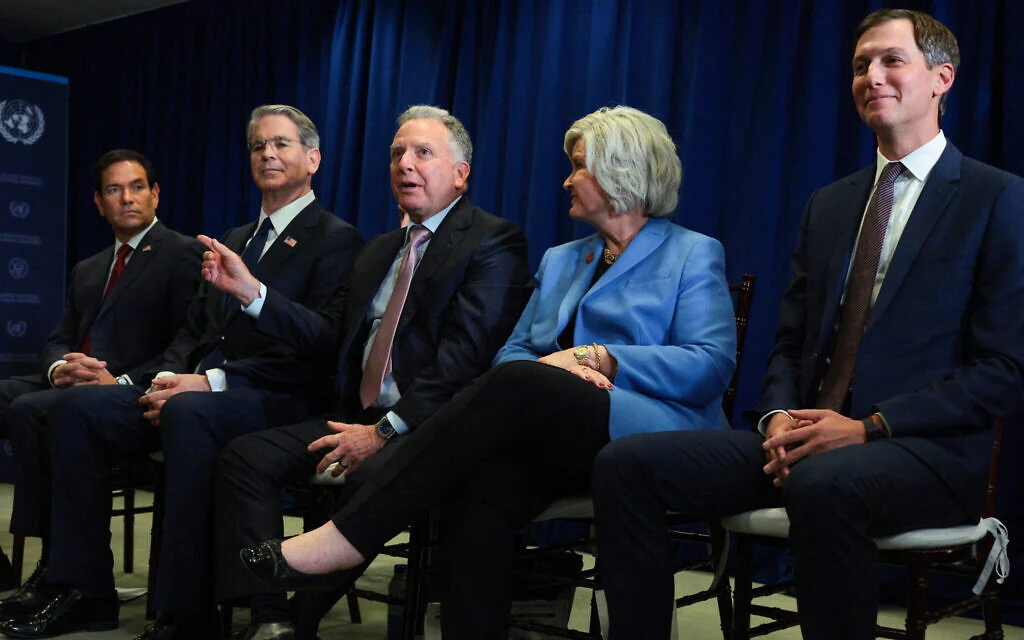
According to The Times of Israel, US President Donald Trump has reported progress in indirect negotiations between representatives of the United States and the Islamic Republic on the sidelines of the UN General Assembly. US Special Envoy Steve Witkoff has confirmed that these discussions were conducted through third-party intermediaries. This approach suggests that despite deep-seated tensions, both sides are seeking to establish a communication channel to manage crises or explore diplomatic possibilities. Analysts suggest that the use of intermediaries at this stage is a classic strategy to mitigate political risks should the talks fail. However, Trump’s criticism regarding the seniority of Tehran’s delegates indicates Washington’s dissatisfaction with the lack of parity in diplomatic standing. This may reflect Tehran’s caution regarding direct engagement or a lack of internal consensus for high-level negotiations. Meanwhile, statements from US Secretary of State Marco Rubio, noting Trump’s readiness for a direct meeting with his Iranian counterpart, signal the new US administration’s desire for a paradigm shift in bilateral relations. For Iran, these developments are significant from both economic and security perspectives, as any diplomatic opening could impact sanctions pressure and regional equations. Nevertheless, the continuation of an indirect approach indicates that both sides remain in the phase of testing each other’s political will, with a long road ahead before any tangible agreement is reached. For the Iranian public, currently grappling with the economic consequences of international tensions, this situation may represent a period of waiting for shifts in foreign policy, though realism dictates that expectations for fundamental change remain limited until there is a shift in the level of representation and greater transparency in the agenda.