

UN Warns Iran Over National Security Executions
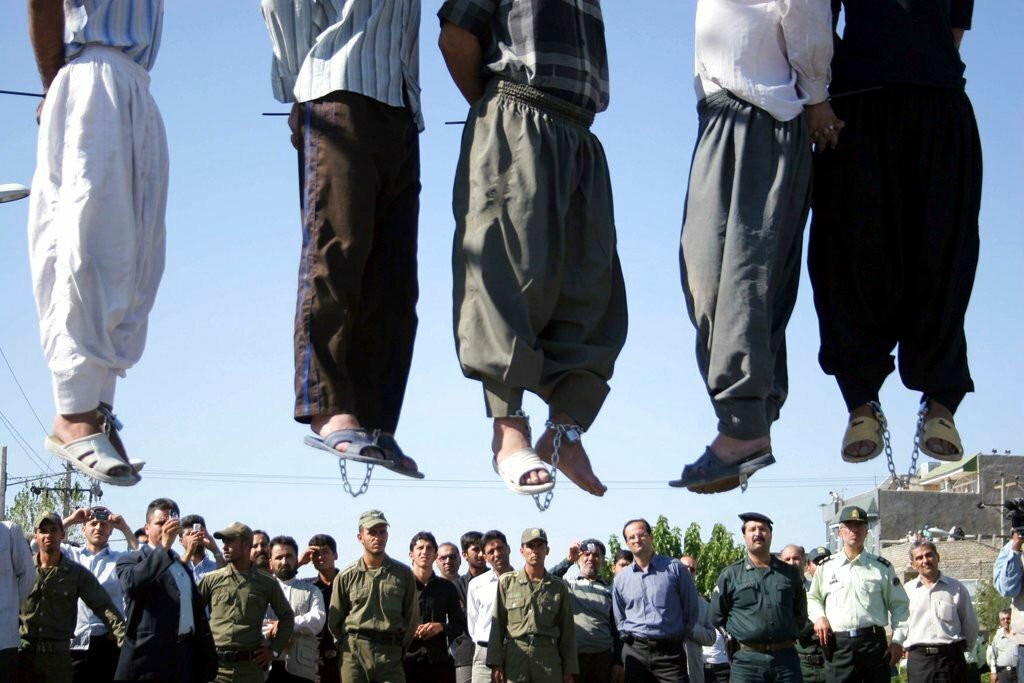
Based on an i24NEWS report, UN High Commissioner for Human Rights Volker Türk has stated that the Islamic Republic of Iran has executed at least 56 people in security-related cases since 19 March. According to the same report, this figure includes 27 individuals whose cases were linked to anti-government protests. The source does not specify that all these cases were purely political; therefore, a distinction must be made between the alleged connection to protests and the independent verification of the political nature of the charges. The primary UN warning is not limited to the number of those executed. Türk stated that more than 100 others are at risk of execution in similar cases linked to national security charges. If this estimate is accurate, the issue shifts from a wave of sentence implementations to a concern over a broader trend within the judiciary—a trend that could impact future cases, defendants' families, and the public atmosphere. The UN human rights chief also stated that executions are being used to instil fear in society and suppress dissent. This part represents the official interpretation by the UN human rights body of the reported pattern, rather than a fact independently proven by the current report. Nevertheless, the link between protest-related cases, national security charges, and the ultimate penalty of execution explains why these cases have attracted greater international sensitivity than ordinary criminal cases. The report notes that UN concerns are not limited to political protests, also highlighting the high number of executions in drug-related cases. This point indicates that the current discussion has two levels: first, the use of execution in cases tied to national security and protests; and second, the continued reliance on this punishment in other criminal areas. The UN has called on Iranian authorities to immediately halt all executions and begin the process of abolishing the death penalty. According to the report, the legal core of this criticism is the failure to observe due process, defendants' rights, and the fairness of trials leading to death sentences. The significance of this issue for Iran is that ambiguity regarding access to a lawyer, the quality of proceedings, and the possibility of effective appeal undermines public trust in judicial rulings, although the presented report does not publish case details or separate documentation for each instance. In contrast, Iran's mission in Geneva had not responded to a Reuters request for comment by the time the report was published. The report recalls that Iranian authorities routinely defend the country's judicial system and consider the implementation of executions to be in accordance with domestic laws and necessary for public and national security. Therefore, the main gap remains between Tehran's domestic legal justification and UN human rights standards regarding fair trial and the death penalty. From a diplomatic perspective, the publication of such figures increases human rights pressure on Iran and could make the issue of executions more prominent in Tehran's relations with the UN and other governments. However, the current report offers no predictions regarding the specific political, economic, or sanction-related consequences of this warning. What can be said based on the source is that the continuation of executions, particularly in cases linked to protests and national security, keeps Iran's reputational and diplomatic costs high while simultaneously highlighting concerns over the fate of more than 100 defendants facing potential sentences.