
Iranian Airline Flights to Turkey Complicate Ankara-Washington Relations
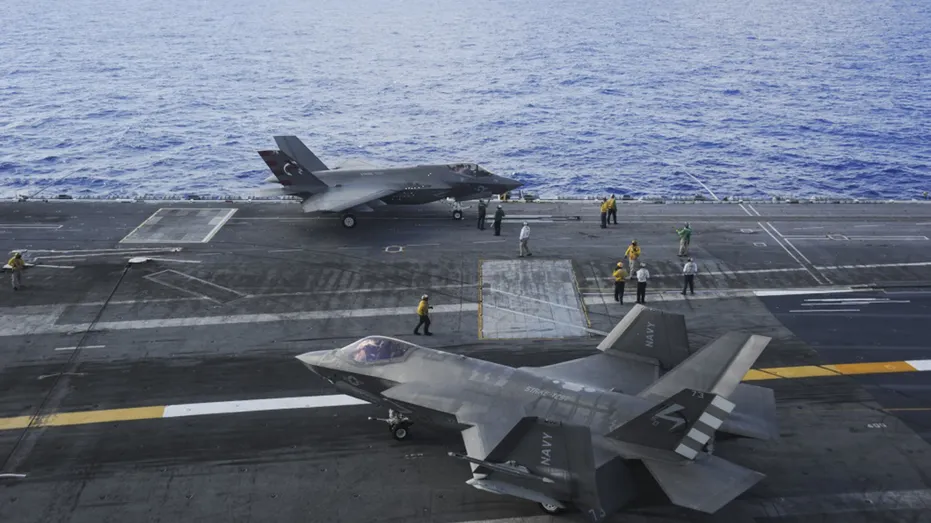
Data published by the Foundation for Defense of Democracies (FDD) indicates that at least 83 flights operated by US-sanctioned Iranian airlines landed in Istanbul, Ankara, and Izmir within five days of a Washington-imposed deadline. The report specifies that 12 Iranian airlines were involved in these flights, eight of which were targeted by new US Treasury Department sanctions on 8 September. This data highlights the persistence of Iranian logistical operations within the territory of a key NATO ally. FDD analysts suggest this activity reveals a gap between Ankara's diplomatic stance and its operational conduct regarding sanctioned Iranian entities. While the US Treasury has stated it is in discussions with Turkish officials to warn of the consequences of providing services to these airlines, the situation may serve as leverage in complex negotiations between Washington and Ankara. For Turkey, which is seeking to rejoin the F-35 fighter jet programme, the continuation of these air links could become an obstacle to securing the trust of the US Congress. Although Donald Trump has signalled a willingness to consider selling F-35s to Ankara, significant legal and political hurdles remain in Washington. From a regional security perspective, these developments demonstrate that the US 'maximum pressure' campaign faces implementation challenges in Iran's neighbouring countries. The continuation of these flights not only keeps Iran's communication channels open but may also fuel diplomatic tensions between Turkey and the United States. For Iran, maintaining these air routes signifies continued access to international markets and a mitigation of economic isolation. However, should Washington decide to impose secondary sanctions on Turkish service providers, the economic costs for Ankara could rise, potentially forcing a reassessment of current Turkish policies.