

Analysis: Iran and Oman near temporary Strait of Hormuz shipping deal
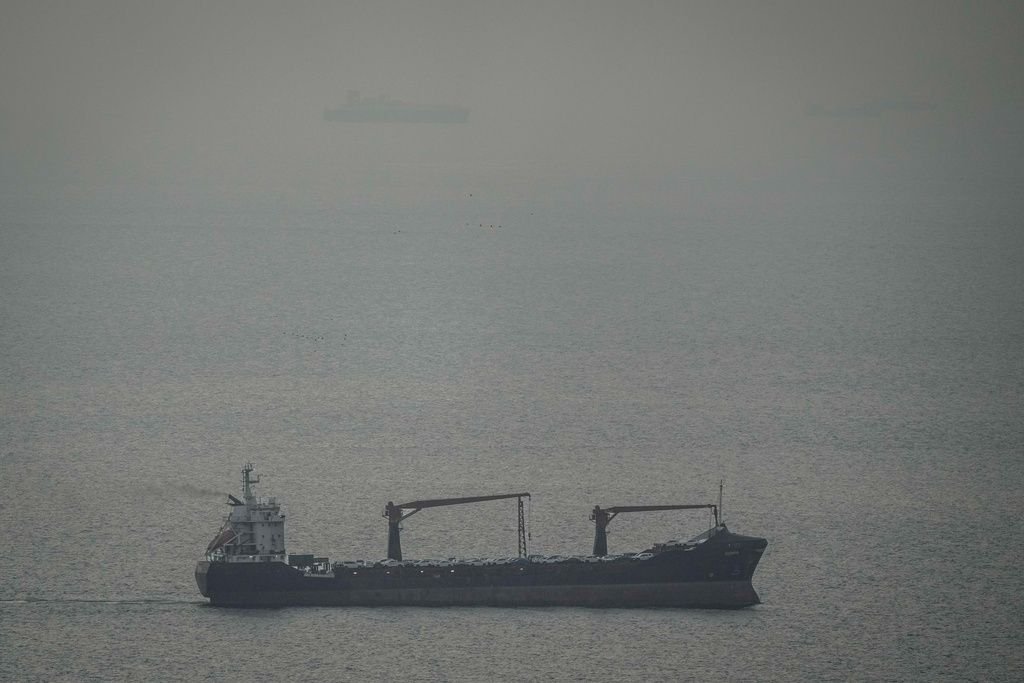
According to an i24NEWS report, four regional sources speaking to PBS state that Iran and Oman are nearing a temporary agreement to resume normal shipping operations in the Strait of Hormuz. The report notes that if finalised, the mechanism would be jointly announced by Iran, Oman, the International Maritime Organization, and the United States. However, none of these parties have officially confirmed the arrangement, meaning it should be viewed as a developing proposal rather than a definitive, operational agreement. Published details suggest that vessels entering the Persian Gulf would follow a route closer to the Iranian coast, while outbound vessels would use a route closer to Oman. The report specifies that no transit fees are planned and the mechanism is strictly temporary. The significance of this distinction lies in the fact that the plan is not intended to permanently resolve the complex management of the Strait, but rather to reduce friction and establish a limited channel for confidence-building. Diplomatically, the value of such an arrangement is linked to a reported ceasefire between Tehran and Washington and a 60-day negotiation window. The report suggests this understanding could revive previous frameworks, potentially facilitating discussions on Iran's nuclear programme, the release of frozen assets, and long-term maritime agreements. While this is a logical interpretation of the proposal's design, it is not a direct analysis from the sources; any mechanism that makes shipping more predictable may support a diplomatic environment, but it does not independently guarantee the durability of a ceasefire or nuclear progress. For Iran, the economic dimension is central. Sources indicate that Tehran expects sanctions relief during the negotiation period to resume oil exports, suggesting that for Iran, this potential maritime deal is inseparable from accessing oil revenue and easing economic pressure. The report provides no details on the scale, timing, or mechanism of such sanctions relief. Reported support from the Gulf Cooperation Council suggests that regional Arab states are currently focused on preventing a return to military confrontation. Oman’s role, according to the sources, extends beyond that of a mediator to include the design of the practical route-separation mechanism. If implemented, this could reduce direct contact and the risk of miscalculation between vessels, though its success remains dependent on strict adherence to the routes—a point for which the report offers no details on enforcement guarantees. Ultimately, the most significant caveat is that the information relies on anonymous regional sources and lacks official confirmation. Even if jointly announced, the temporary nature of the deal and its entanglement with nuclear and sanctions negotiations render it fragile. A realistic assessment is that the plan could serve as a limited de-escalation tool and an opportunity to keep diplomatic channels open, but its transformation into lasting stability in the Strait of Hormuz would require political decisions and commitments not yet specified in the report.