

The Israeli defense industry’s next customers won’t be wearing uniforms
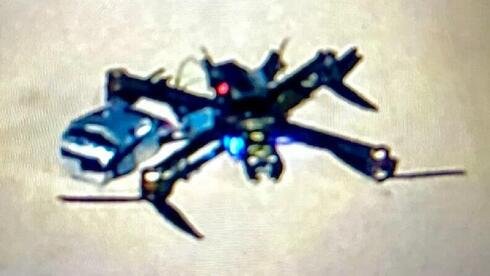
The recent discovery of a weaponized drone at Leipzig/Halle Airport in Germany has reignited debates regarding Europe's ability to counter drone threats. According to security analyst Eliel Schleider, the key takeaway from this event is not the drone itself, but the shifting identity of defense industry customers. Airports, ports, data centers, and energy facilities, which previously operated outside traditional defense budgets, are increasingly becoming security targets due to their critical nature.
The analysis notes that unlike military forces, civilian customers are not seeking replicas of military systems. They require solutions that do not interfere with daily commercial operations, comply with safety regulations, and can identify and mitigate threats without halting essential services. This shift is moving the security market away from selling standalone components toward providing integrated systems and long-term service contracts.
For Israeli defense companies, which possess extensive operational experience in radar, electronic warfare, and unmanned systems, this represents a significant opportunity. However, success in this market requires translating military expertise into the language of operational continuity, safety, and economic viability. In this new model, project funding may be provided jointly by homeland security agencies, transportation and energy ministries, and the infrastructure operators themselves.
Ultimately, the analysis emphasizes that successful companies will be those capable of integrating multiple capabilities into live operational environments. The Leipzig incident signals the expansion of the defense industry into a market where the asset being protected is commercial, the threat is security-related, and the solution must bridge the gap between these two worlds.