
Diplomatic efforts and military tensions in the Middle East: From Iran’s stalled agreement to West Bank clashes
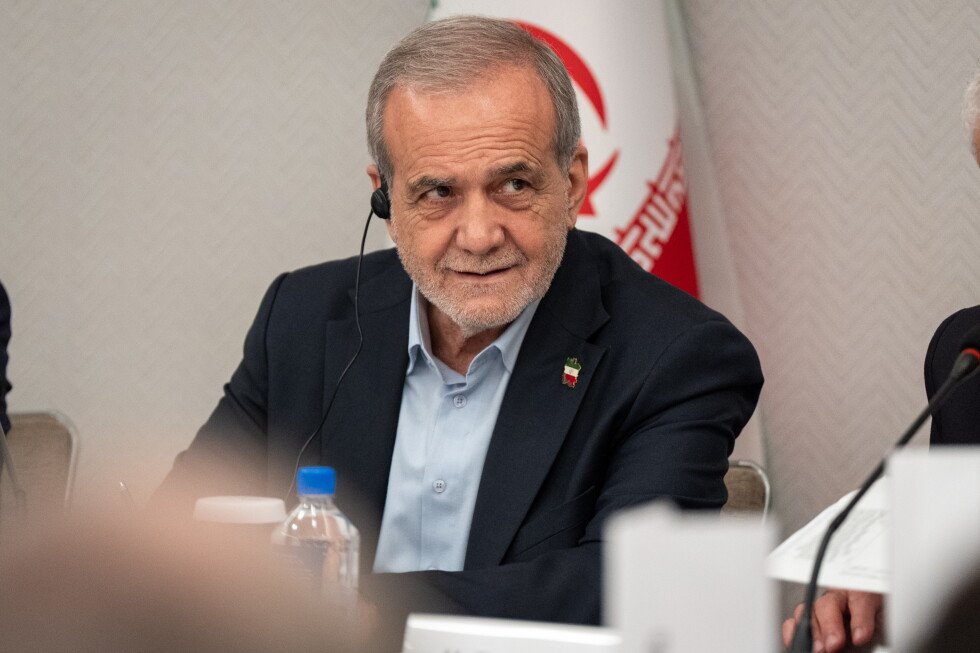
Iranian President Masoud Pezeshkian defended the memorandum of understanding with the United States on Sunday as the best path to move beyond a state of 'neither war nor peace.' The agreement, signed in June, set a 60-day deadline for ending the war and reaching a nuclear accord, which expired last week without significant progress. Pezeshkian emphasized that the agreement does not constitute capitulation and is vital for attracting economic investment. Meanwhile, Mohsen Rezaei, the new secretary of the Supreme National Security Council, issued a stern warning to Iran's neighbors, stating that joining new U.S. sanctions would be met with a severe response. Reports indicate that U.S. Treasury Secretary Scott Bessent is expected to announce new economic measures against Tehran. Additionally, Pakistan’s army chief, Asim Munir, is scheduled to visit Tehran to mediate and de-escalate tensions. In other developments, the Iranian judiciary reported the execution of Majid Adineh on charges of espionage and cooperation with hostile groups. In the West Bank, tensions remain high following the killing of a 14-year-old in Nablus and the arrest of an Israeli teenager for the assault of a Palestinian man. In Gaza, an Israeli airstrike resulted in the death of a 4-year-old child, while Israel’s Defense Minister ordered immediate action to counter the launch of balloons and drones from the territory.