

Iran conflict tests US missile stockpiles in strategic squeeze
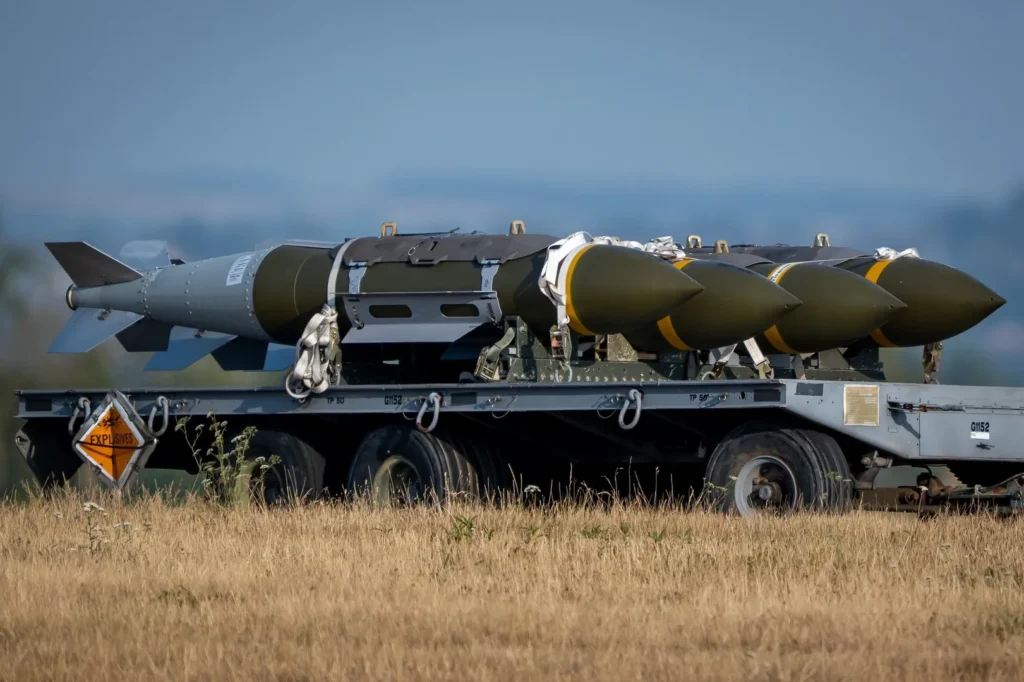
An Al Jazeera report on 8 August 2026 states that the consequences of the war between the US and Iran have gone beyond the battlefield, reaching US weapons stockpiles, ammunition production lines and strategic mineral supply chains. In Washington, the question is how many of its offensive and interceptor missiles the US military has consumed and whether it is prepared for a prolonged war or the simultaneity of another military crisis elsewhere. Estimates by research centres and US media, including the Center for Strategic and International Studies, indicate that consumption of certain munitions has increased significantly. According to these estimates, about 65 percent of Patriot interceptor missiles have been used over five months, and THAAD system reserves have dropped by at least 38 percent compared to the start of the war. Matthew Kroenig, deputy director of the Scowcroft Center for Strategy and Security, said the US has consumed large amounts of vital munitions, particularly interceptor missiles, at a very high rate over the past six months against munitions that may be cheaper and easier for Iran to produce. US President Donald Trump has denied a crisis in his country's arsenal, saying the US still has 'huge amounts' of ammunition available, though he acknowledged that inventories of certain types have fallen. The depletion rate of ATACMS and PrSM long-range missiles has not been officially announced. Each of these missiles is estimated to cost over one million dollar and they allow precise strikes from a distance without putting crewed aircraft at similar risk. Based on figures provided by military and strategic analyst Elias Hanna, the US had about 3,100 Tomahawk missiles before the war and has consumed nearly 1,000 of them; replacing this number could take about 47 months. Regarding the Patriot, the initial inventory was estimated at about 2,330 units, with nearly 1,430 used, and rebuilding this reserve may take 42 months. The price of each THAAD missile is stated to be about 12 to 15 million dollars and each Patriot missile about five million dollars. Some open-source estimates report about 700 to 800 Patriot missiles remaining, while THAAD reserve depletion is estimated between 35 and 60 percent. Hanna says the main problem is not just the number of remaining missiles, but logistics and the US requirement to maintain reserves to counter other crises. According to him, some public information indicates US reserves may have fallen below 20 percent of the level that should be maintained for a global military power. From this perspective, Iran can increase the cost of the war by prolonging the conflict, even if the US and Israel have achieved tactical gains such as destroying certain capabilities and facilities. The report adds that if Washington resumes large-scale operations, the reduction in long-range missiles may push the US to use more crewed aircraft or even ground operations, options inconsistent with standoff strike strategy. At the same time, the consumption of Patriot and THAAD interceptors leaves the US and its regional allies facing difficulties in protecting forces, bases and cities alongside maintaining emergency reserves. To cover war costs, Washington has requested an additional budget of 87.6 billion dollars from Congress, with 67.1 billion dollars allocated to the Department of Defence and 21 billion dollars for munitions. The US has also signed a 58 billion dollar contract with Lockheed Martin to purchase Patriot missiles over seven years. However, reproducing a missile consumed in minutes may take months or years because production lines are limited and certain components and raw materials are specialised. These limitations are tied to the issue of rare metals. China has invested in extraction, chemical separation, processing and permanent magnet production over four decades and holds the upper hand in important parts of this chain. The US has held meetings attended by more than 200 officials, investors, academics and researchers, and the Department of Energy has discussed with 14 mining colleges doubling the number of graduates in this field within two years. The ministry has allocated 100 million dollars for mining education programmes, and the Pentagon has earmarked 80 million dollars for projects at three specialised colleges and over three billion dollars in facilities for about 17 technology and mining companies. The Trump administration has also launched a 12 billion dollar plan to establish a strategic rare metals reserve. Ghazi Ibrahim Al-Assaf, a university professor and defence economics expert, considers these measures a structural shift, but says the US cannot end its dependence on China in the medium term. The annual consumption of high-power permanent magnets by the US Department of Defence is now about 3,000 to 4,000 tonnes and may reach about 10,000 tonnes by 2030. Cooperation with Australia and Canada can reduce dependence, but separation and processing technologies largely remain with China. The entry of new producers, especially Australia, may increase supply, but continuing wars could drive up demand and pressure on prices and resources. Al Jazeera's conclusion is that the US still has one of the world's largest military arsenals and there is no sign of it running completely out of ammunition anytime soon. However, the war has shown that certain reserves are being consumed at a rate far exceeding US industry's ability to replace them. Therefore, Washington's challenge is not just the number of available missiles, but the speed of arsenal replenishment, maintaining the capacity to handle simultaneous crises, and supply chain vulnerability to Chinese dominance as part of this strategic test.