

Undecided voters could determine outcome of 2026 Israeli election
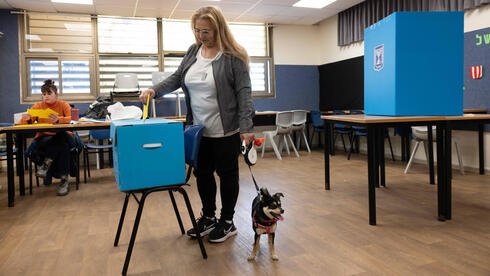
Ahead of Israel's 2026 general election, while most voters have solidified their positions, a small but critical group remains undecided between Benjamin Netanyahu, Naftali Bennett, Gadi Eisenkot, smaller parties, or boycotting the vote entirely. This segment could prove decisive in a deeply polarised society. Lior Carmon, a 40-year-old father from Rishon LeZion, says he is struggling to choose, citing media saturation and social pressure. He notes that his family, historically Likud supporters, shifted away from the party around 2018. Carmon expresses frustration with the lack of clear distinctions among opposition candidates and concerns over Netanyahu's reliance on Haredi parties. He admits to considering abstention, noting that the post-October 7 security climate has made the decision feel overwhelming. Nir Rom, a 50-year-old from Kfar Yona, is certain he will vote but remains undecided on a candidate. While he opposes Netanyahu, he acknowledges the Prime Minister's role in managing recent crises but insists that Netanyahu has become too divisive. Rom expresses scepticism regarding Gadi Eisenkot and Benny Gantz, and is considering voting for Yaron Zelekha’s minor party, despite fears that his vote might be wasted if the party fails to cross the electoral threshold. Shimon Dan, a retiree from Azor, is weighing his options between Netanyahu, Eisenkot, and Bennett. He emphasises that the national trauma of October 7 has made him seek a leader capable of uniting the country, and he intends to remain undecided until the 27 October vote. Conversely, 53-year-old Merav Partok has decided to abstain, viewing the election as a futile exercise. She claims that previous votes have failed to produce change and is now considering leaving the country, as she believes political factions are driven solely by self-interest.